2011
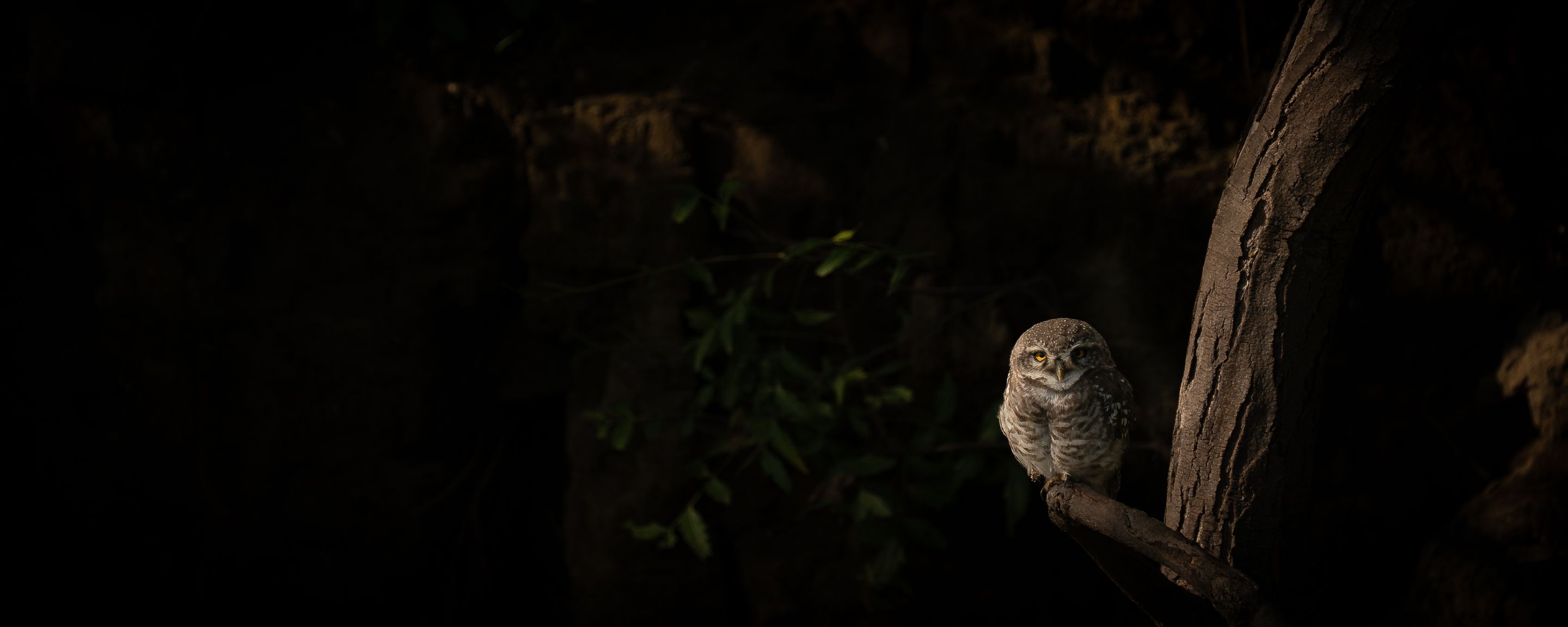
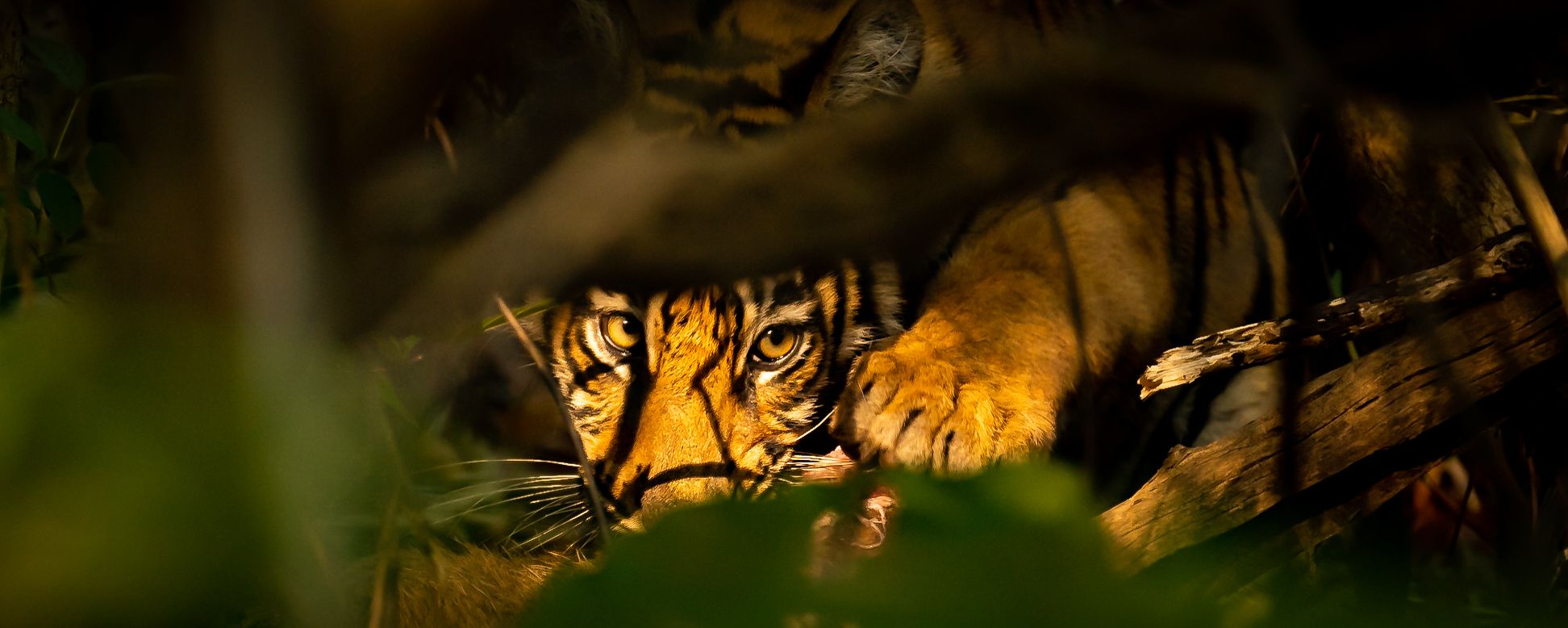
I remember the waiting in the wild as much as the photographs.
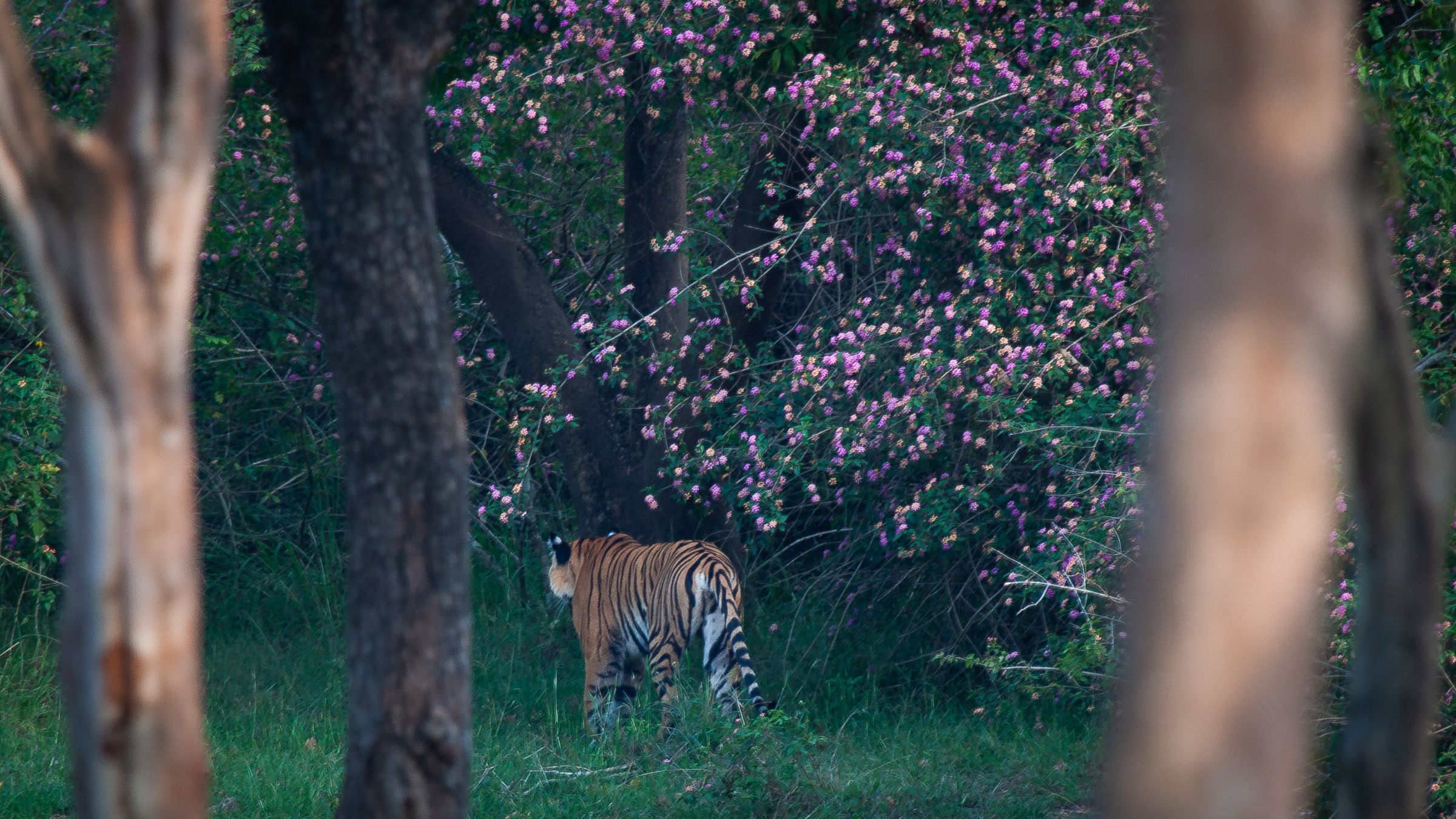
We saw a tiger on our very first drive. Only later did we understand how lucky we had been.
Walk with me →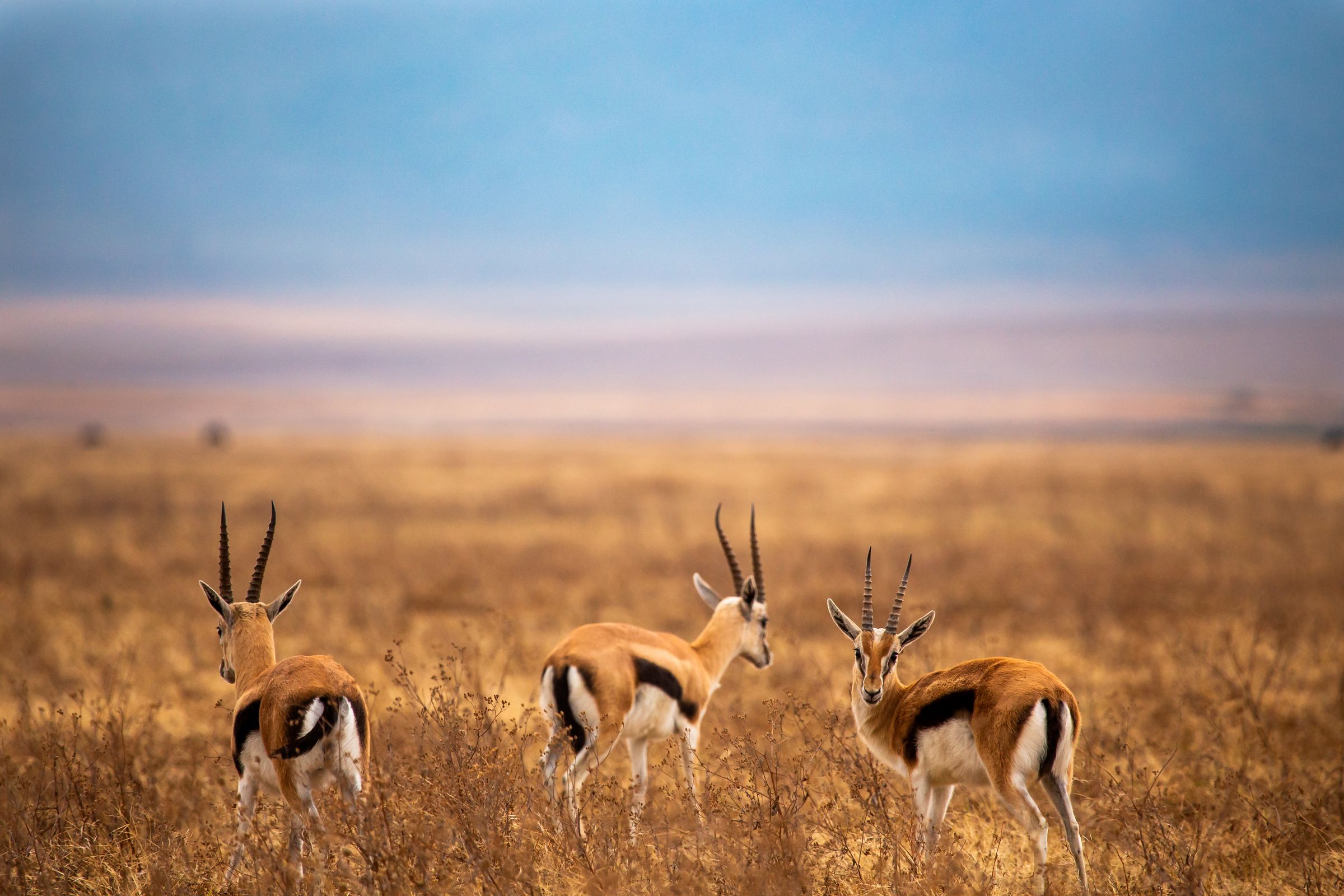
Two loans, a long ride on our luggage, and nights camping inside the parks.
Walk with me →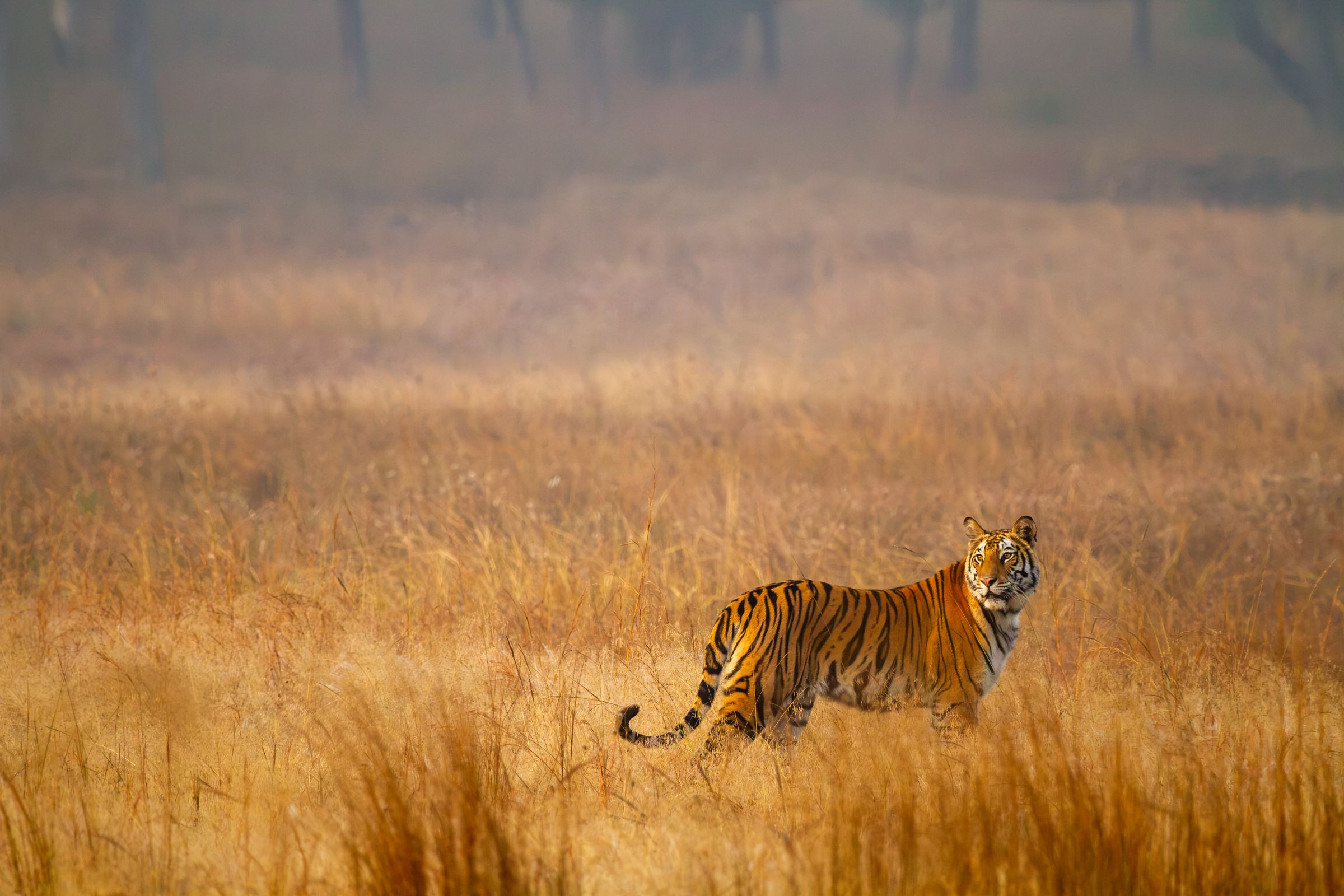
Four drives had given us almost nothing. I wanted one photograph I could hang on a wall.
Walk with me →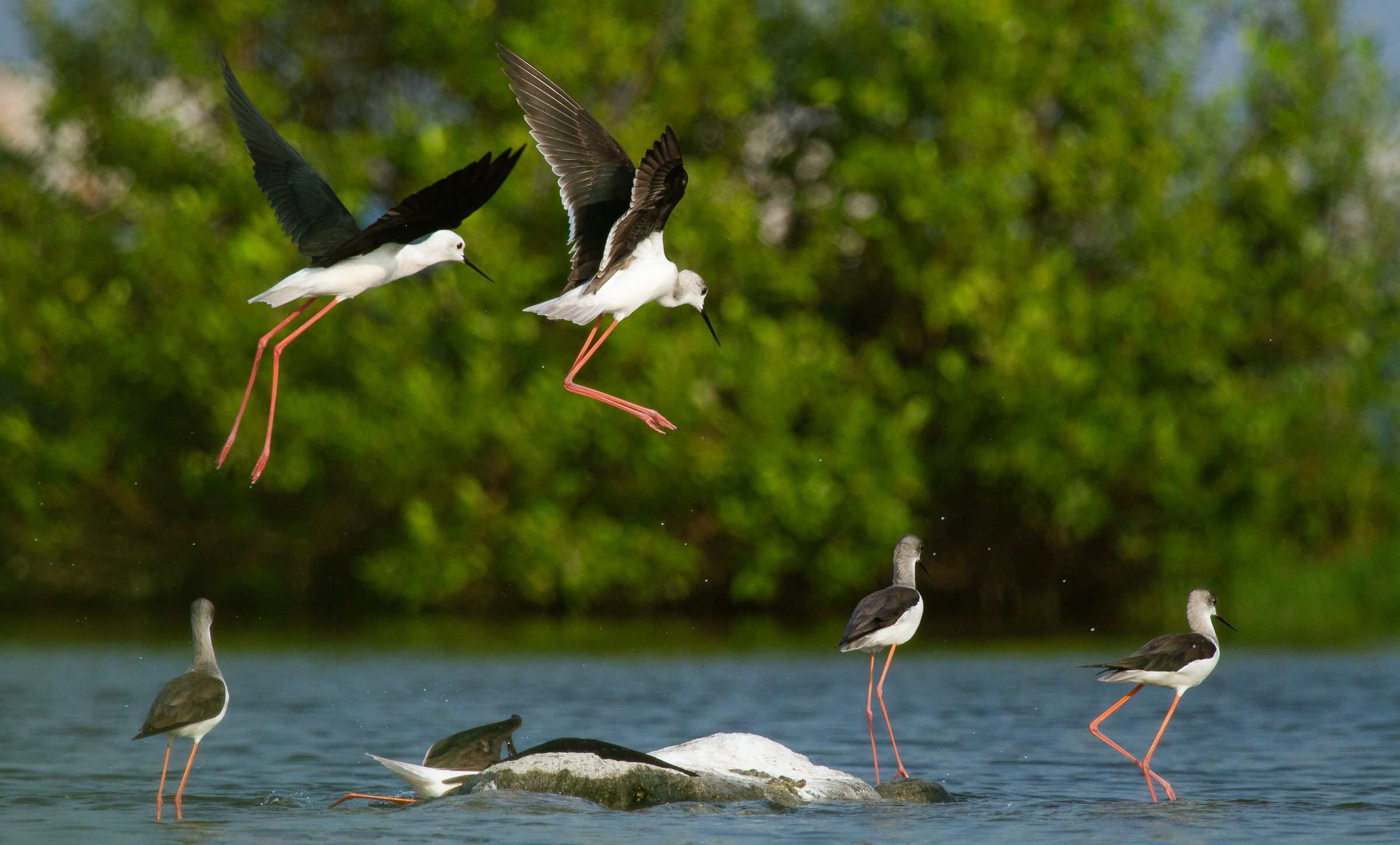
Forty minutes to cover fifty metres. Nothing rare had to happen.
Walk with me → See the single frames →
Each one hands off to the next. Start at the beginning, or wherever the picture calls you.
We saw a tiger on our very first drive. Only later did we understand how lucky we had been.
Walk with me →Two loans, a long ride on our luggage, and nights camping inside the parks.
Walk with me →Four drives had given us almost nothing. I wanted one photograph I could hang on a wall.
Walk with me →Forty minutes to cover fifty metres. Nothing rare had to happen.
Walk with me →See the single frames →
We saw a tiger on our very first drive. Only later did we understand how lucky we had been.
It was our first trip to a tiger reserve. My friend and I had booked a resort without understanding where the bus would drop us.
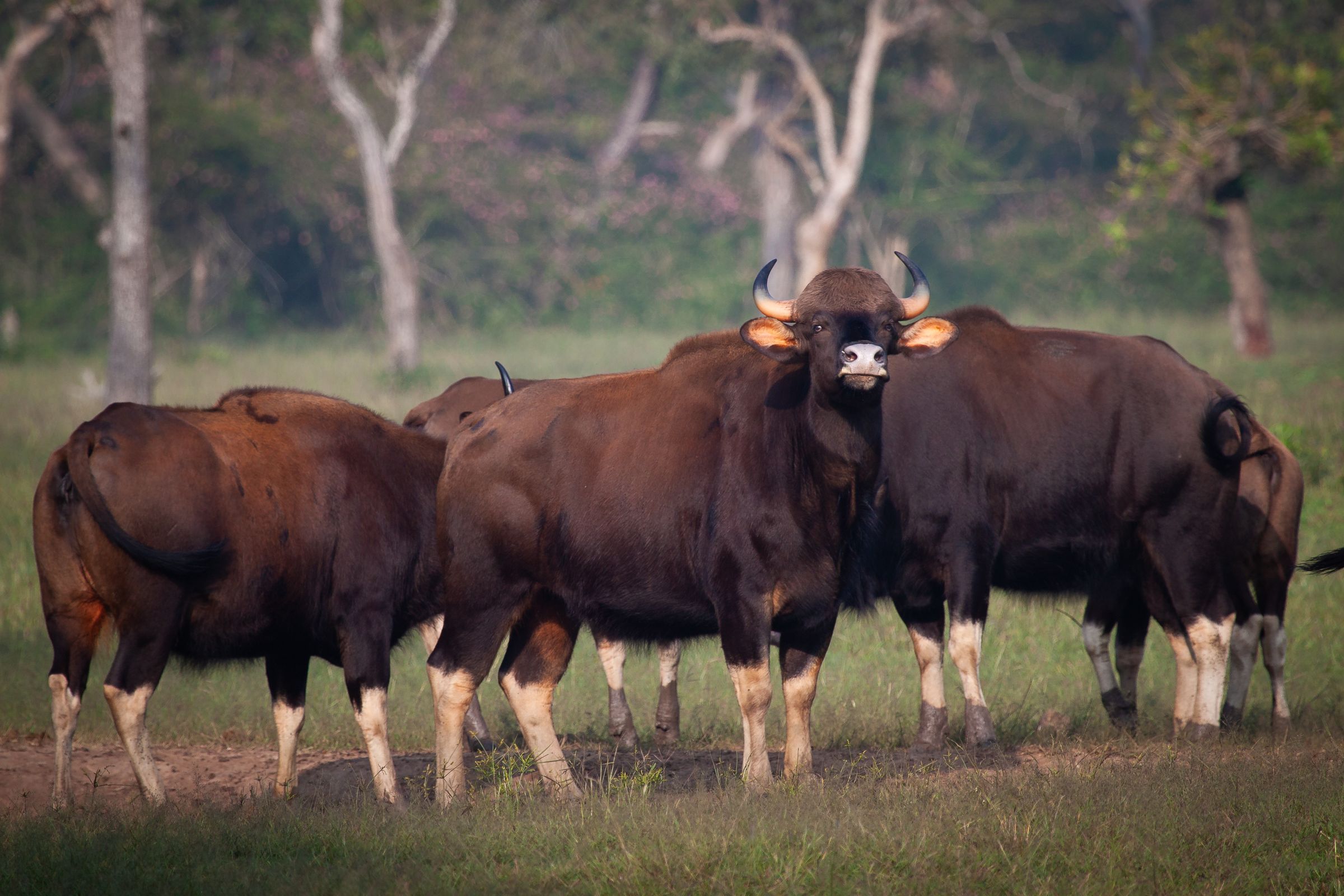
The bus route ran through the reserve itself.
So we walked: two kilometres in,
and two kilometres back out for the safari.
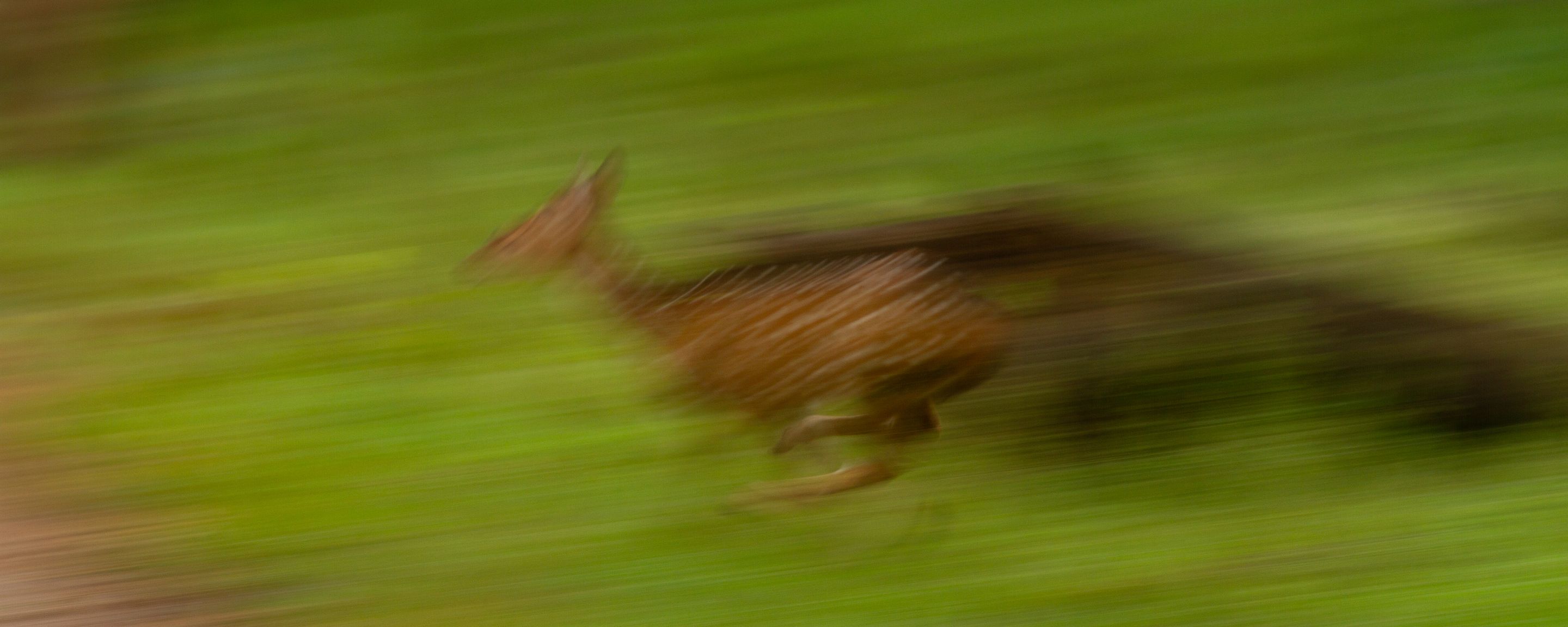
On our very first drive, a spotted deer began tapping its foot, nervous.
I had seen that in a documentary, and I looked where it was looking.
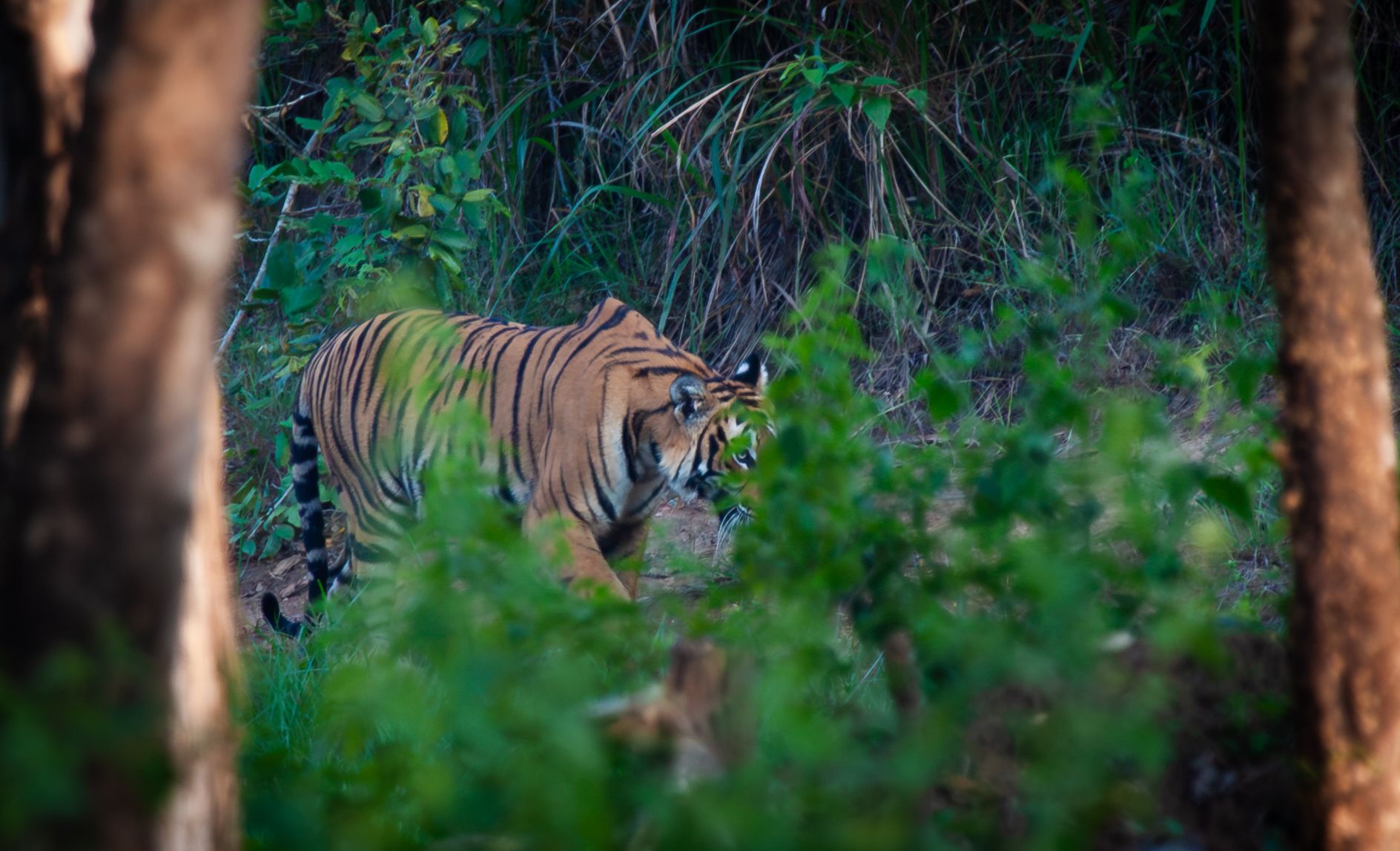
There.
A tiger crossed, and we had only seconds with it. By the end of that drive we had seen four or five, among them a tigress with two cubs.
Into the trees.
Only afterwards did we realise the first sighting was on the road we had already walked down twice.
That evening we found ourselves among far more serious photographers. One of them told me his name, and it clicked. I said very little for the rest of the night.
Two loans, a long ride on our luggage, and nights camping inside the parks.
My friend and I could not afford the trip. We both took loans.
We found our safari operator on Facebook, which, looking back, was a lot to trust.
A fire had gone through the terminal before we landed in Kenya. Immigration was outdoors, and chaotic. With no bus seats left, we travelled on to Tanzania sitting on our luggage in a van.
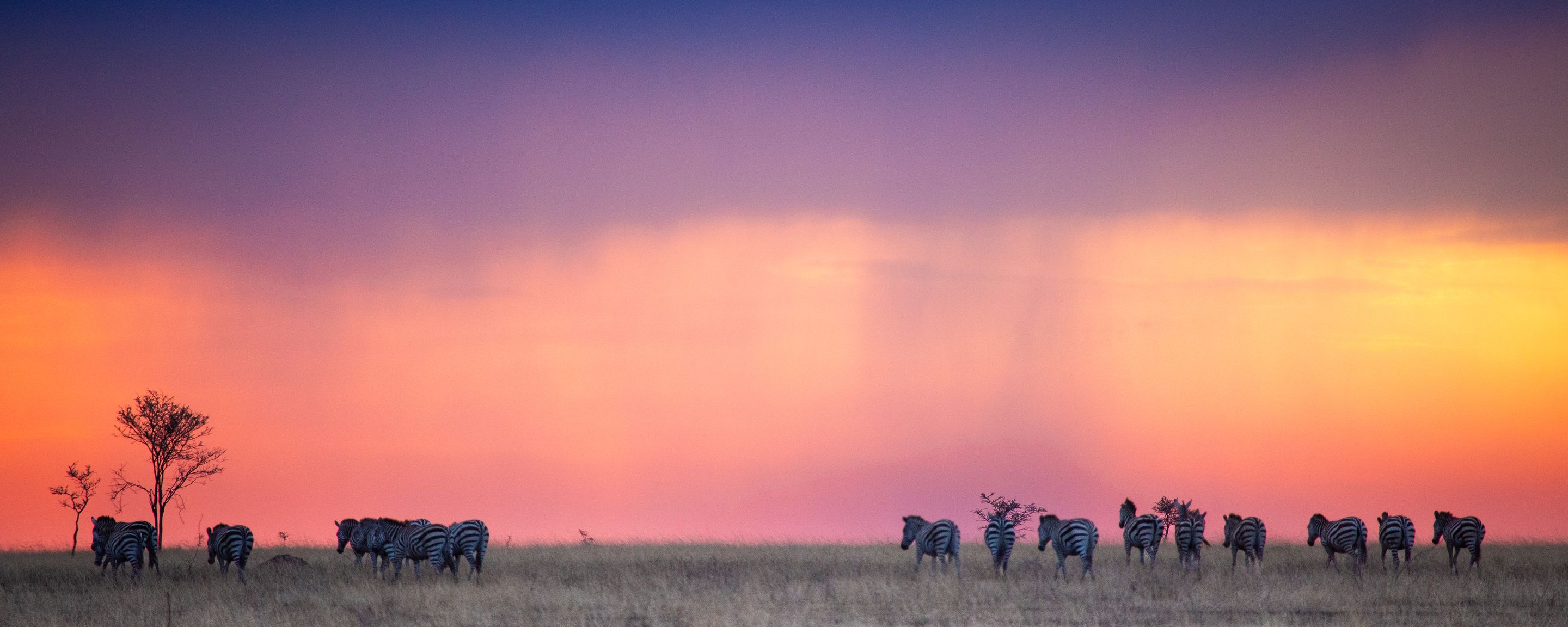
The first park was zebras, elephants and kudu, and I could not stop photographing any of it.
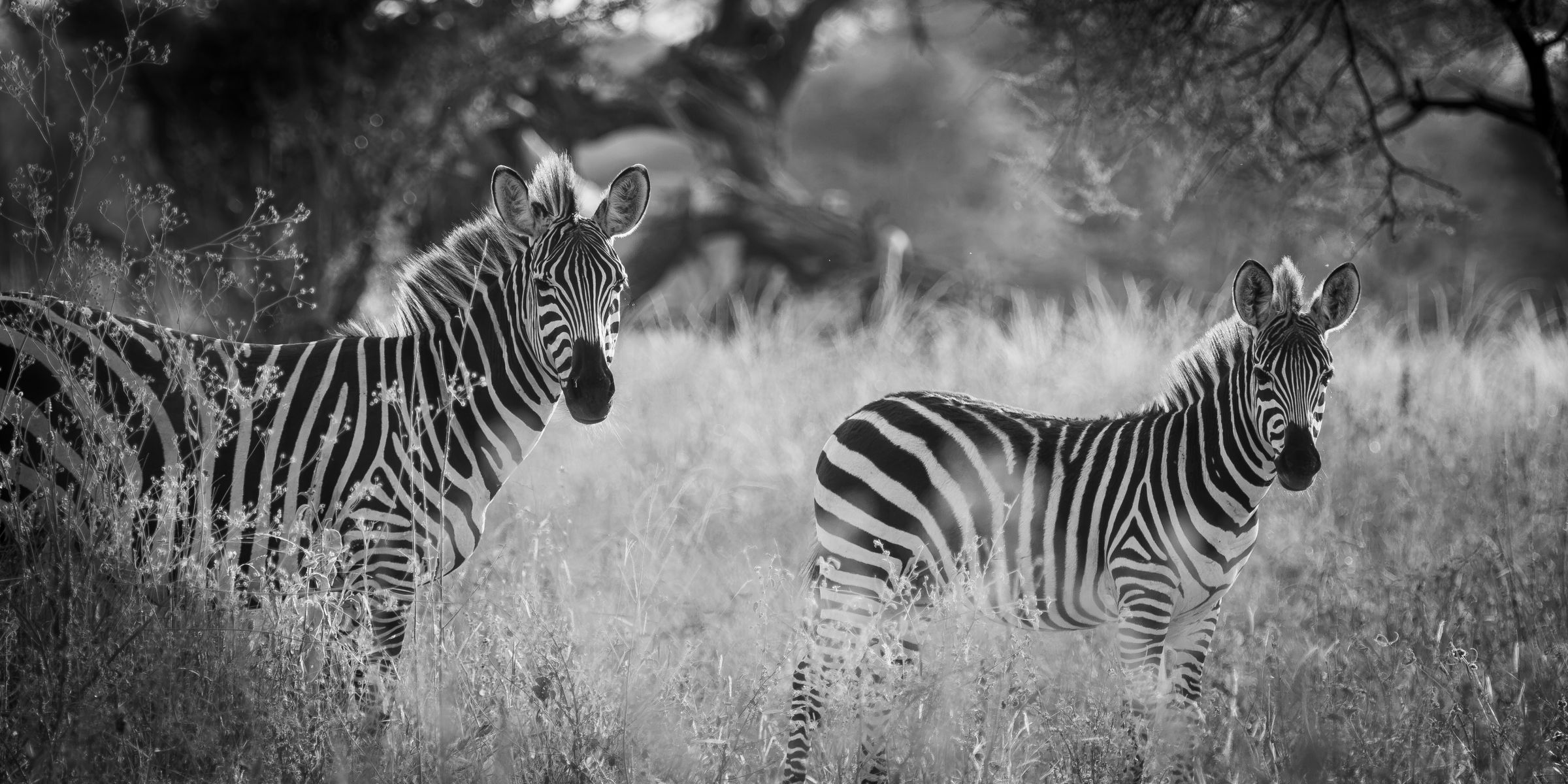
We camped inside the parks. In the Serengeti we watched two cheetah siblings hunt.
A lion roared close by while we were having lunch.
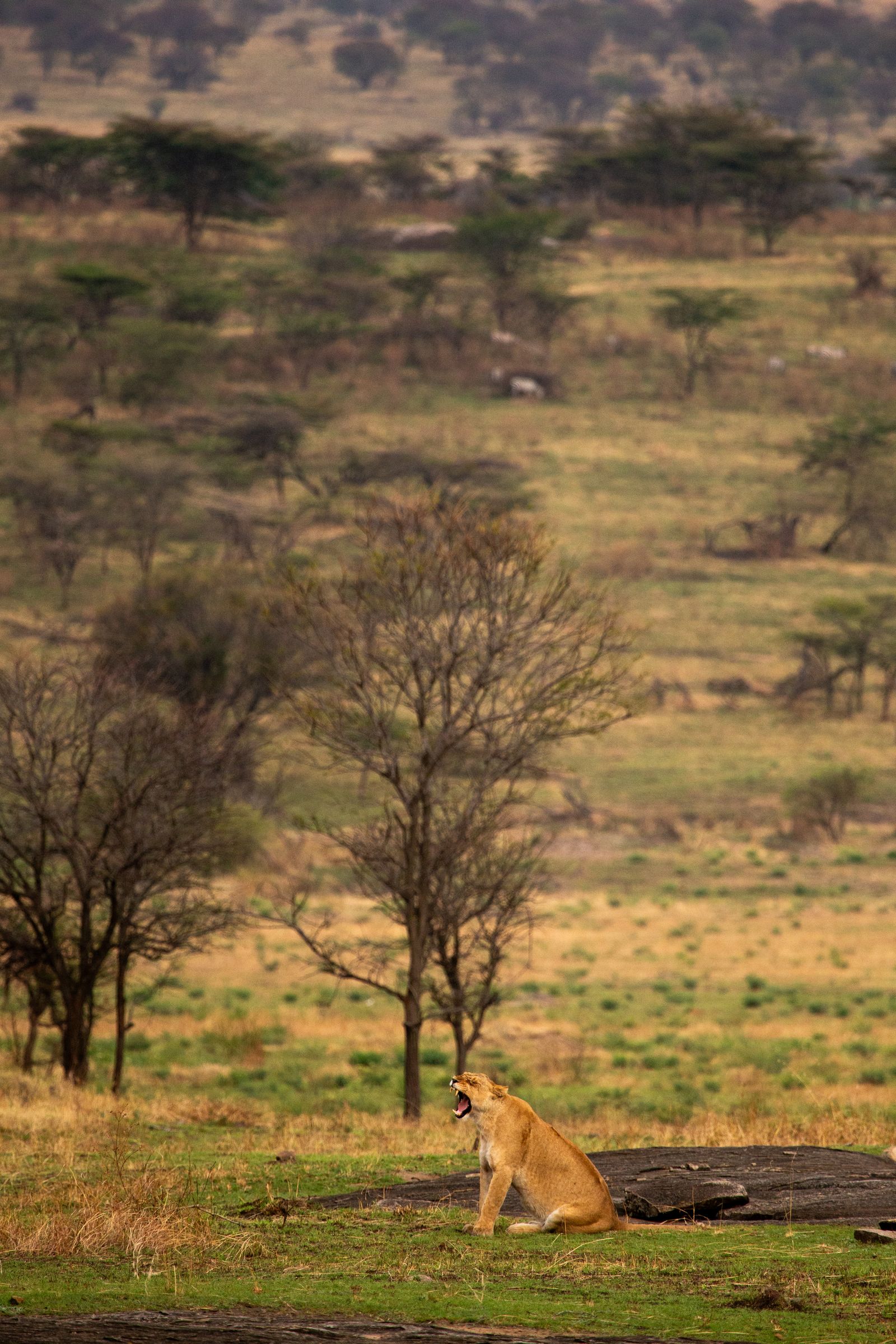
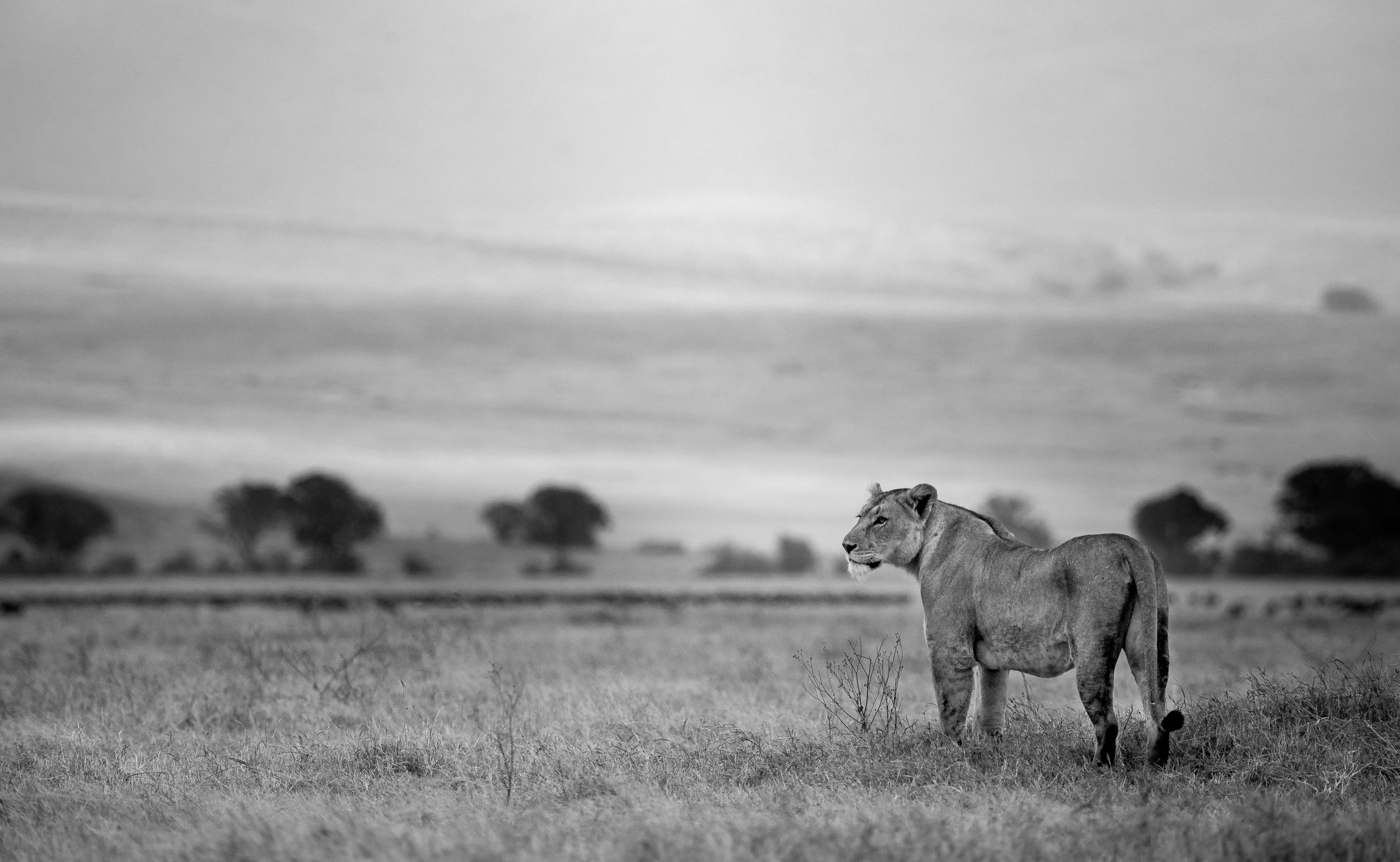
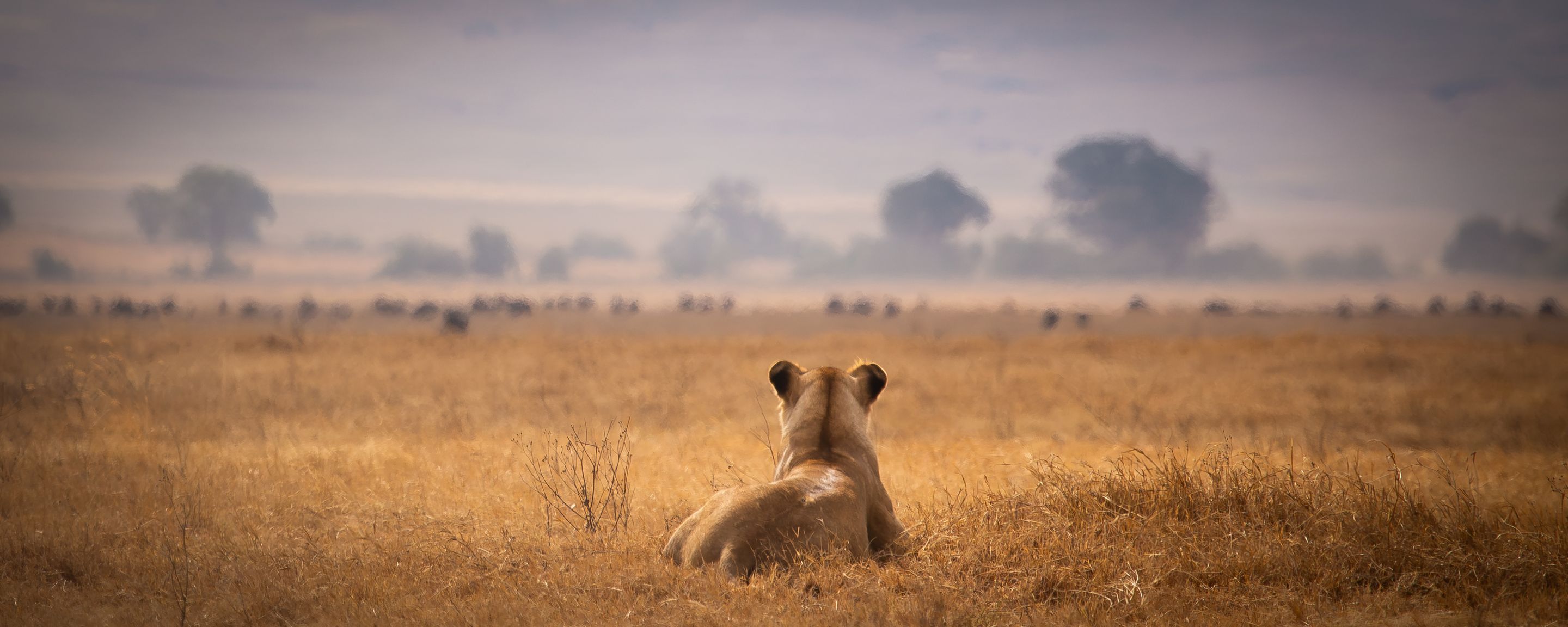
In Ngorongoro, a lioness waited for a line of wildebeest,
then missed.
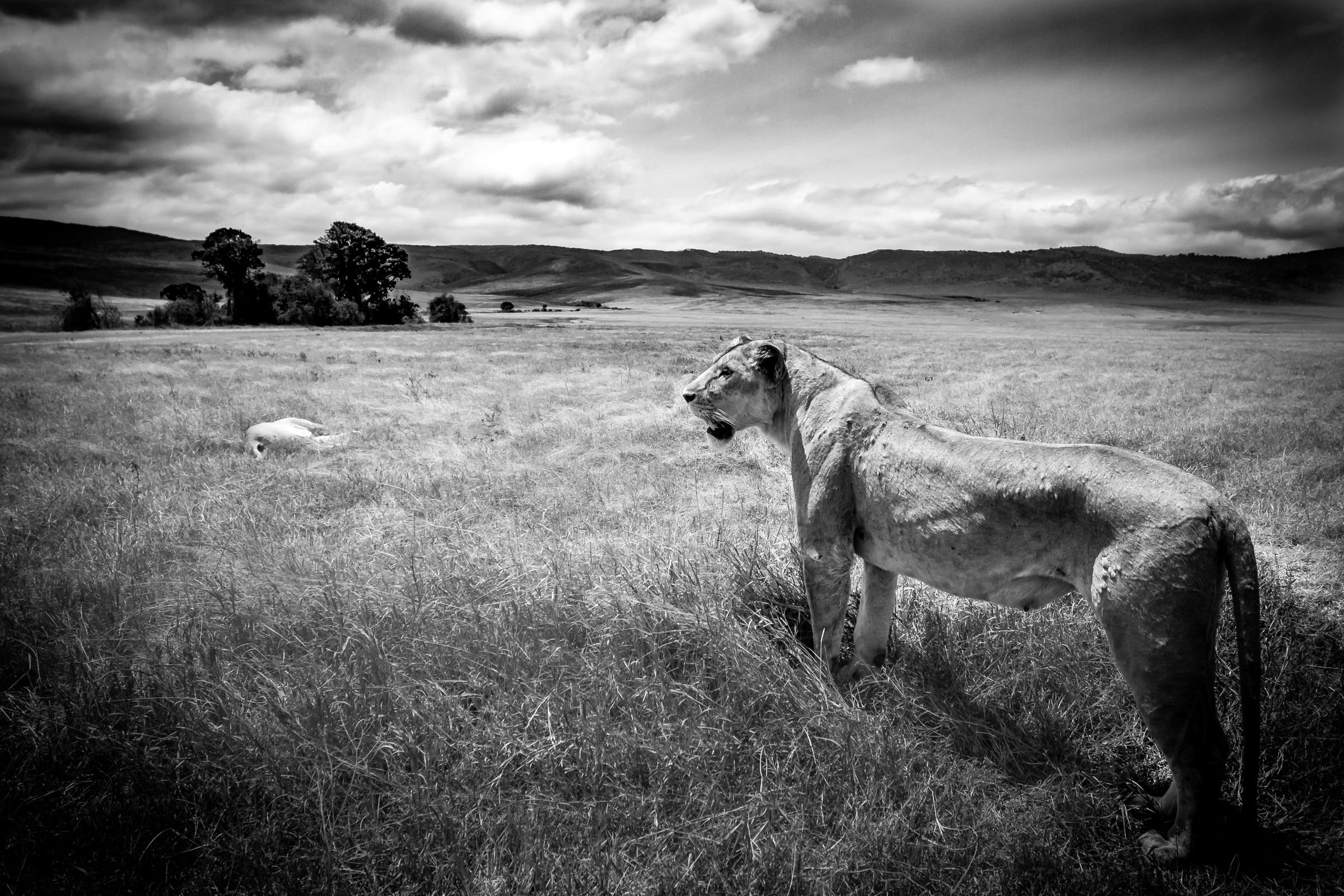
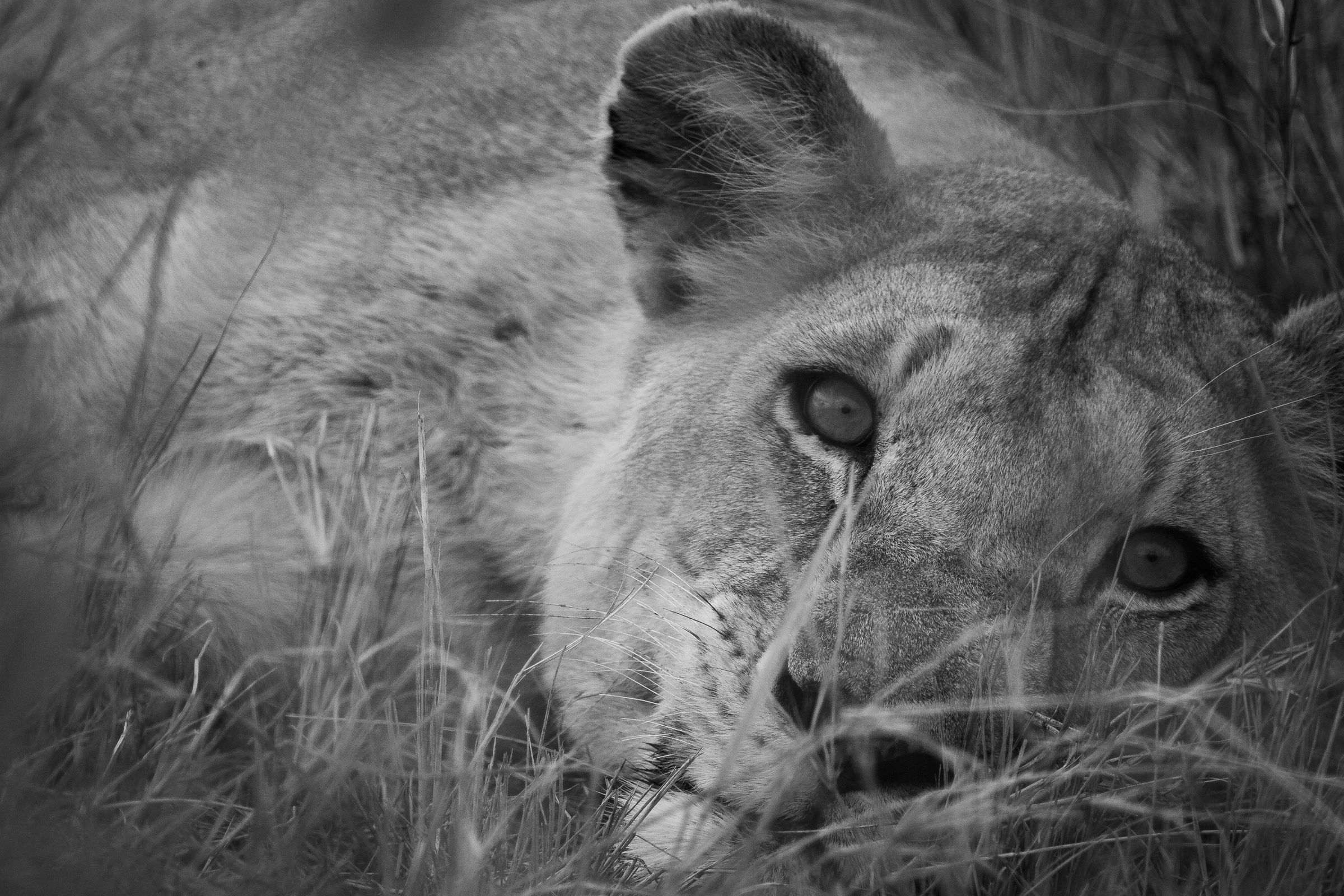
We stayed after the other vehicles had left. Often, that was when the sightings came.
After the others left.
At Lake Manyara there were colobus monkeys, and a carcass picked over by vultures.
Back in the capital, I had my first bath in five days.
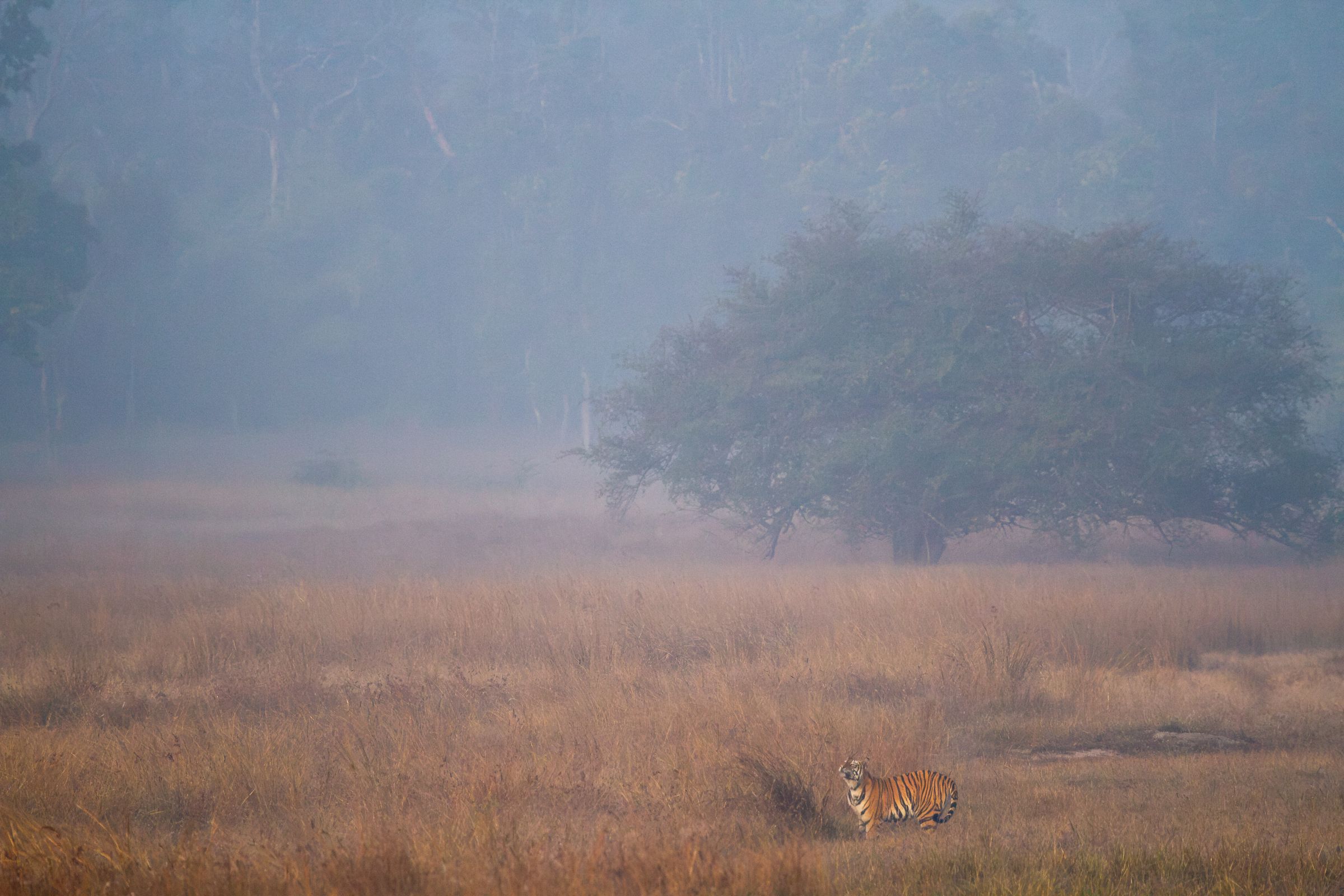
Four drives had given us almost nothing. I wanted one photograph I could hang on a wall.
I nearly missed the train from Chennai. A day and a half later, arrived near midnight.
I was there because of a friend I had met the year before on a photography course in Bandipur.
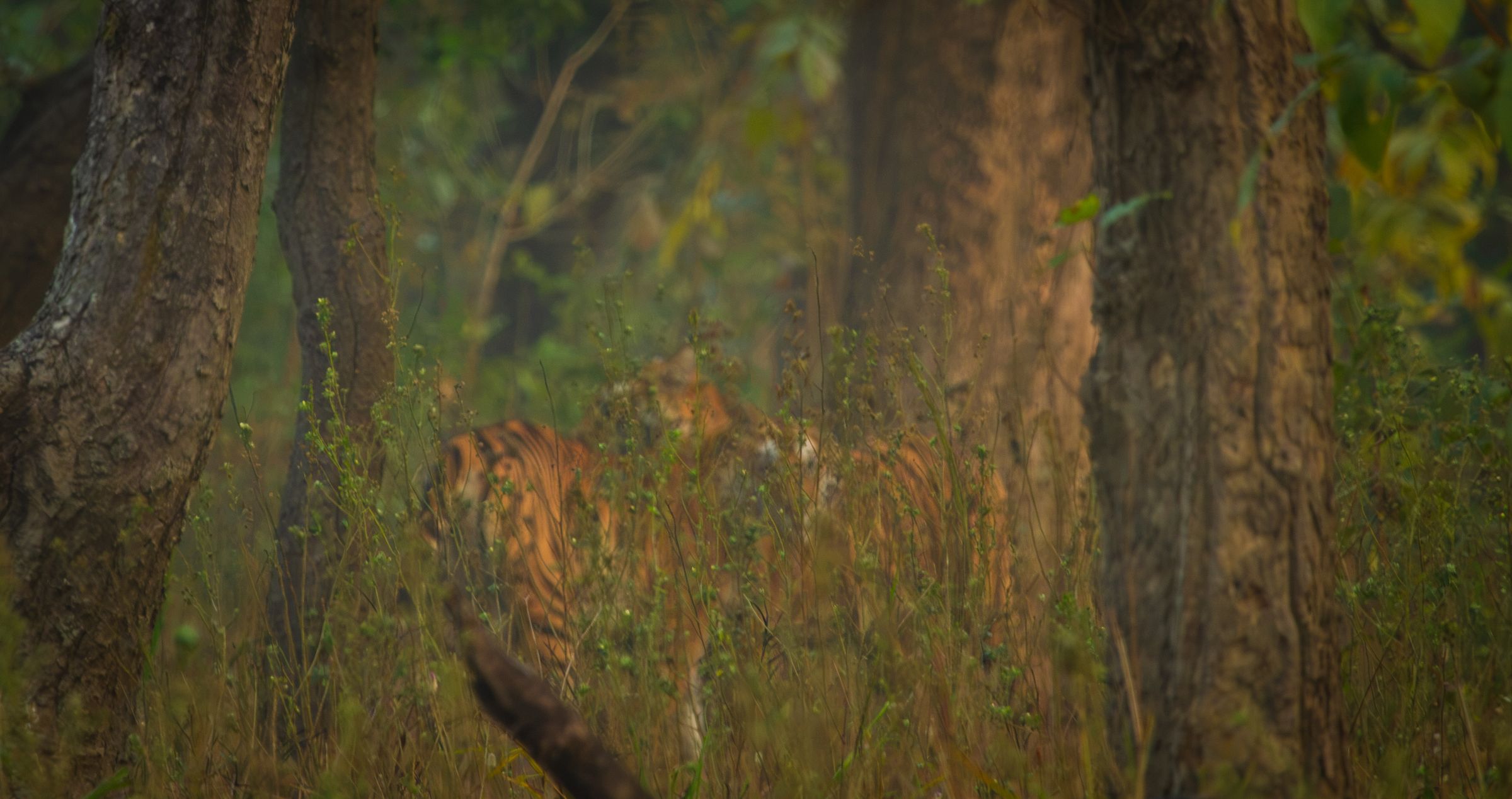
Four drives gave us almost nothing. There were cubs, half-hidden. There was a tiger so far off it was hardly a photograph at all.
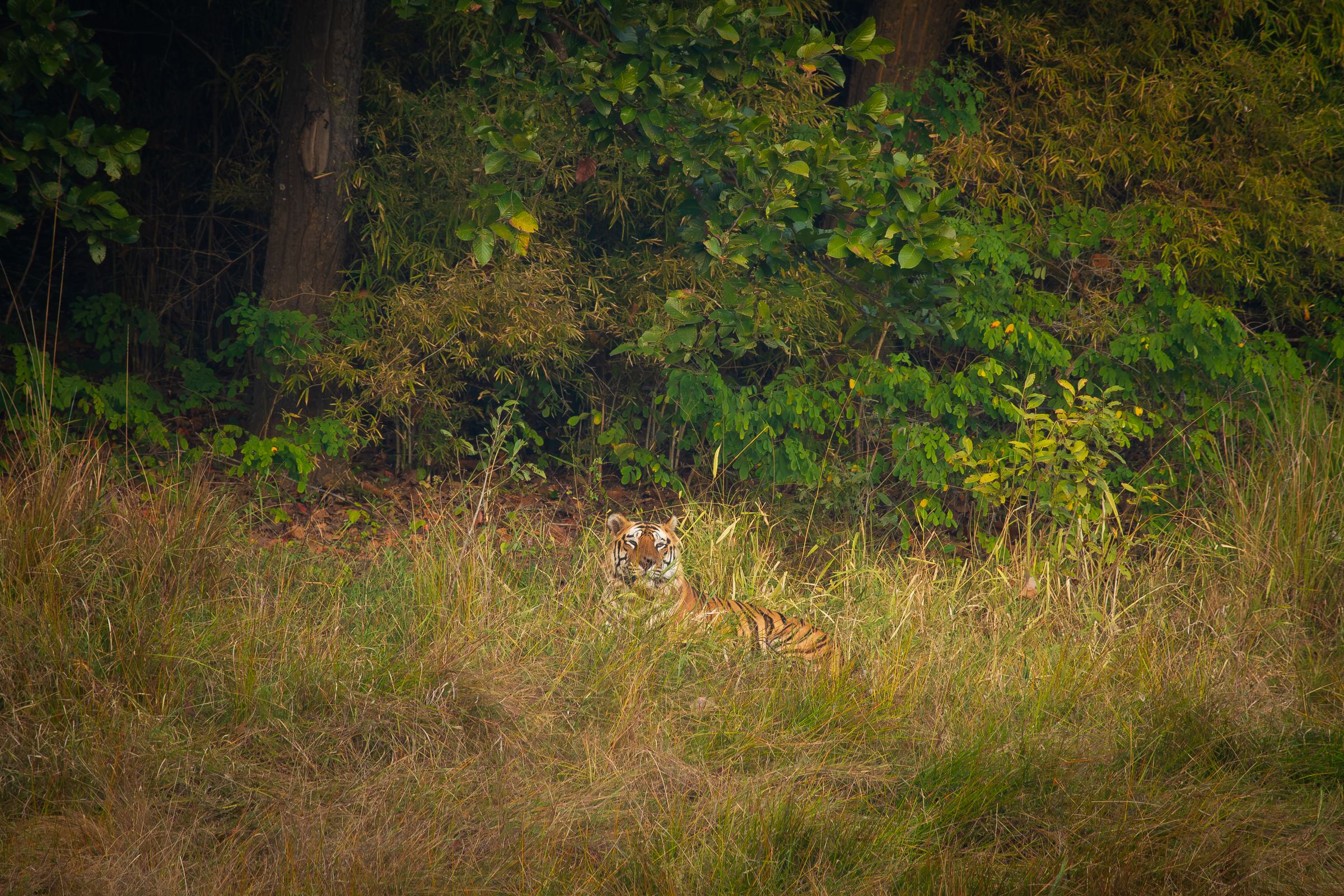
Before the fifth drive, I said I only wanted one frame good enough to hang on my wall.
It was bitterly cold. My hands were stiff inside my gloves, and I had set the camera wrong.
Then I heard a faint growl,
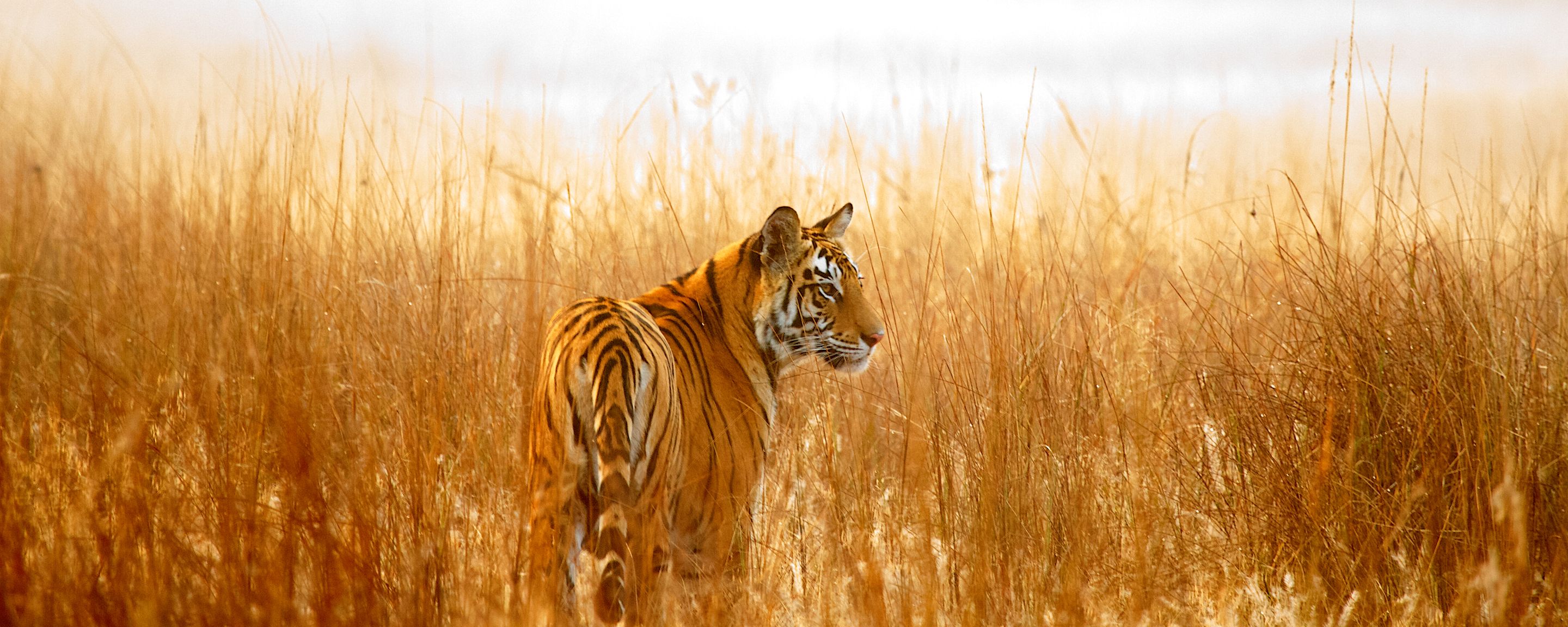
and she walked across the road into open grass.
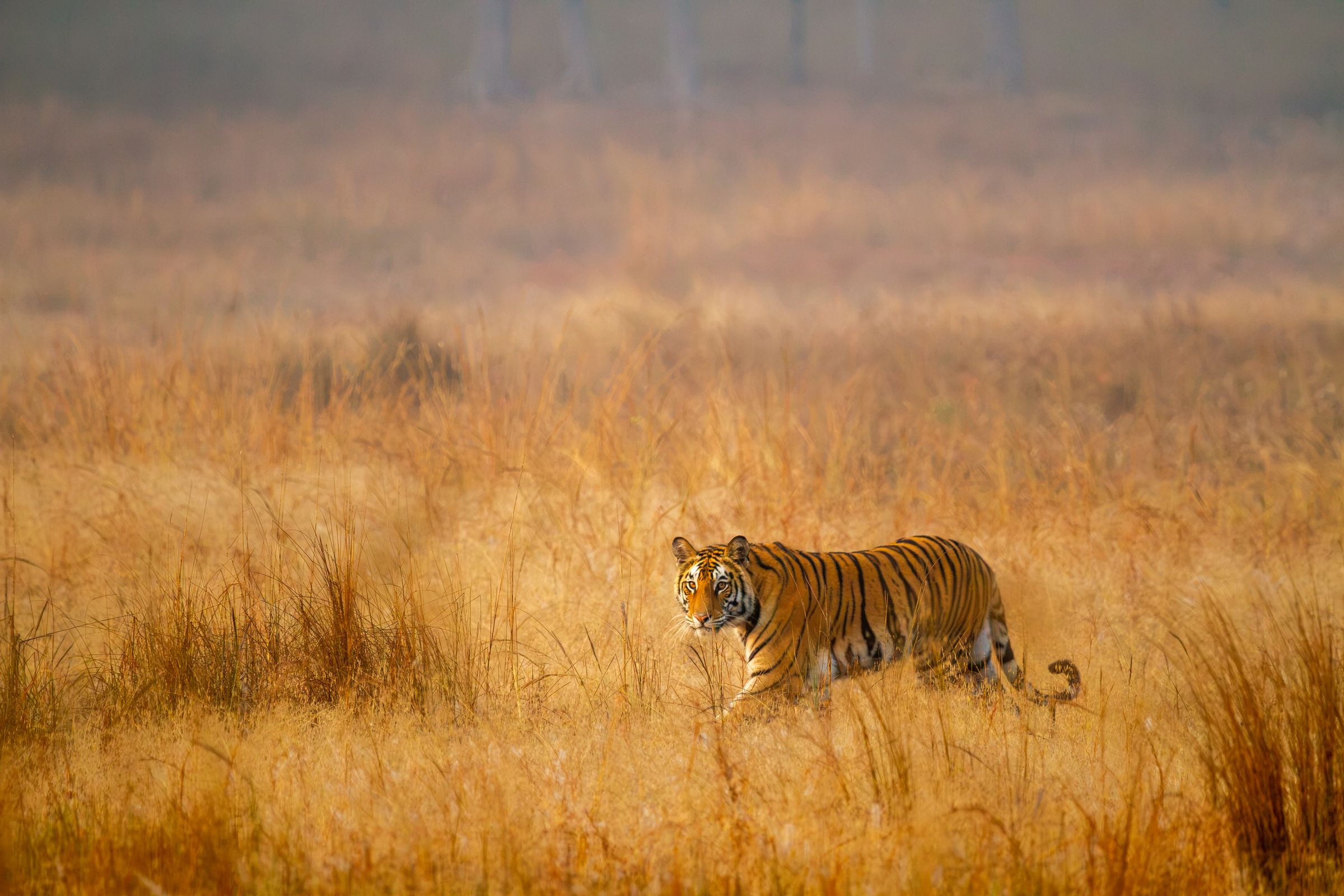
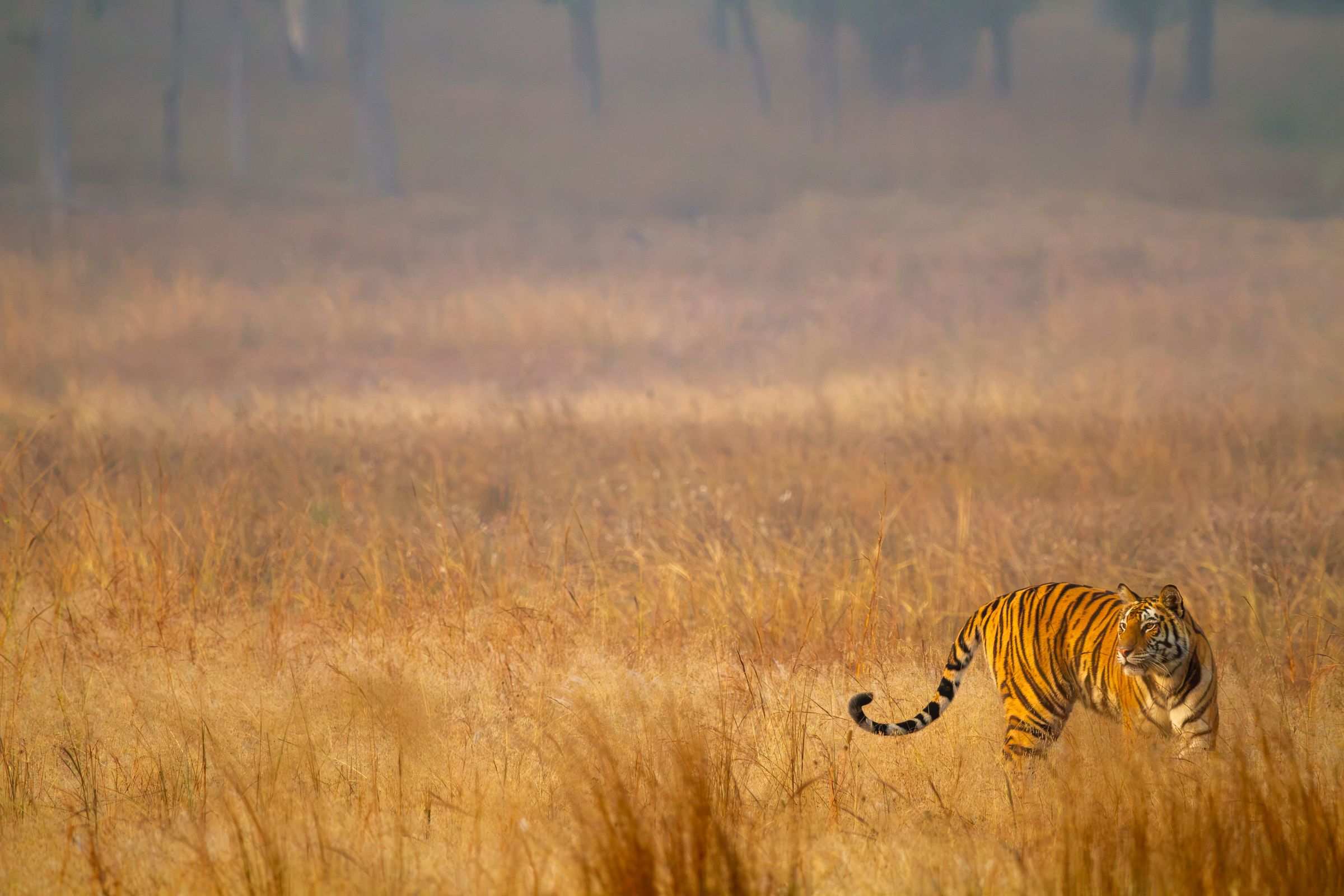
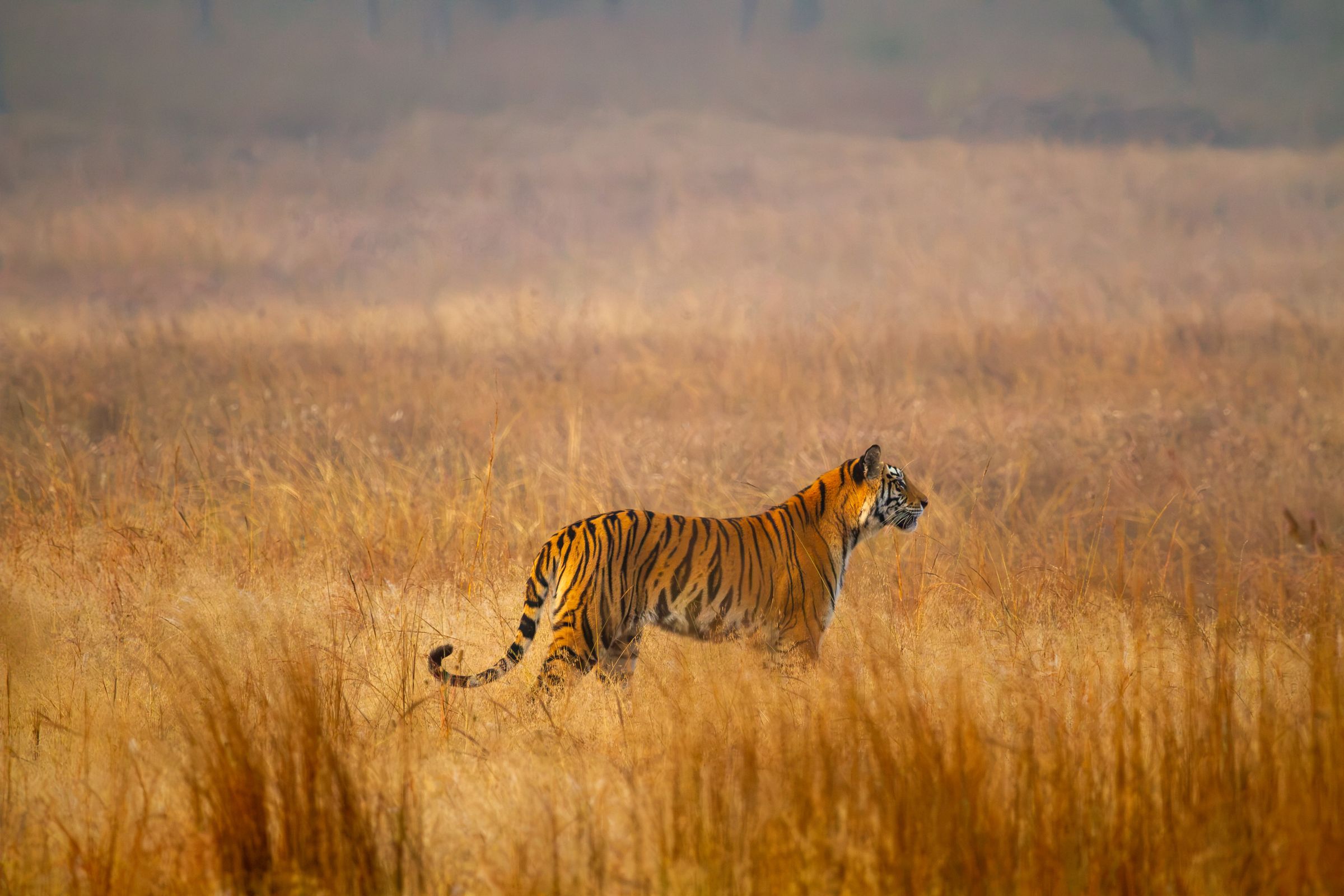
My first frames were nearly white. She stayed for twenty-five minutes, and I spent them trying to put it right.
That night I went back through the files and found the picture I had wanted in one of the overexposed ones.
The frame I kept.
Some time later, a film about the forest showed a tiger I recognised by her stripes.
The photograph went on to be the cover of a WWF calendar for 2016.
I still think that fifth morning was worth every one of the mornings that came before it.
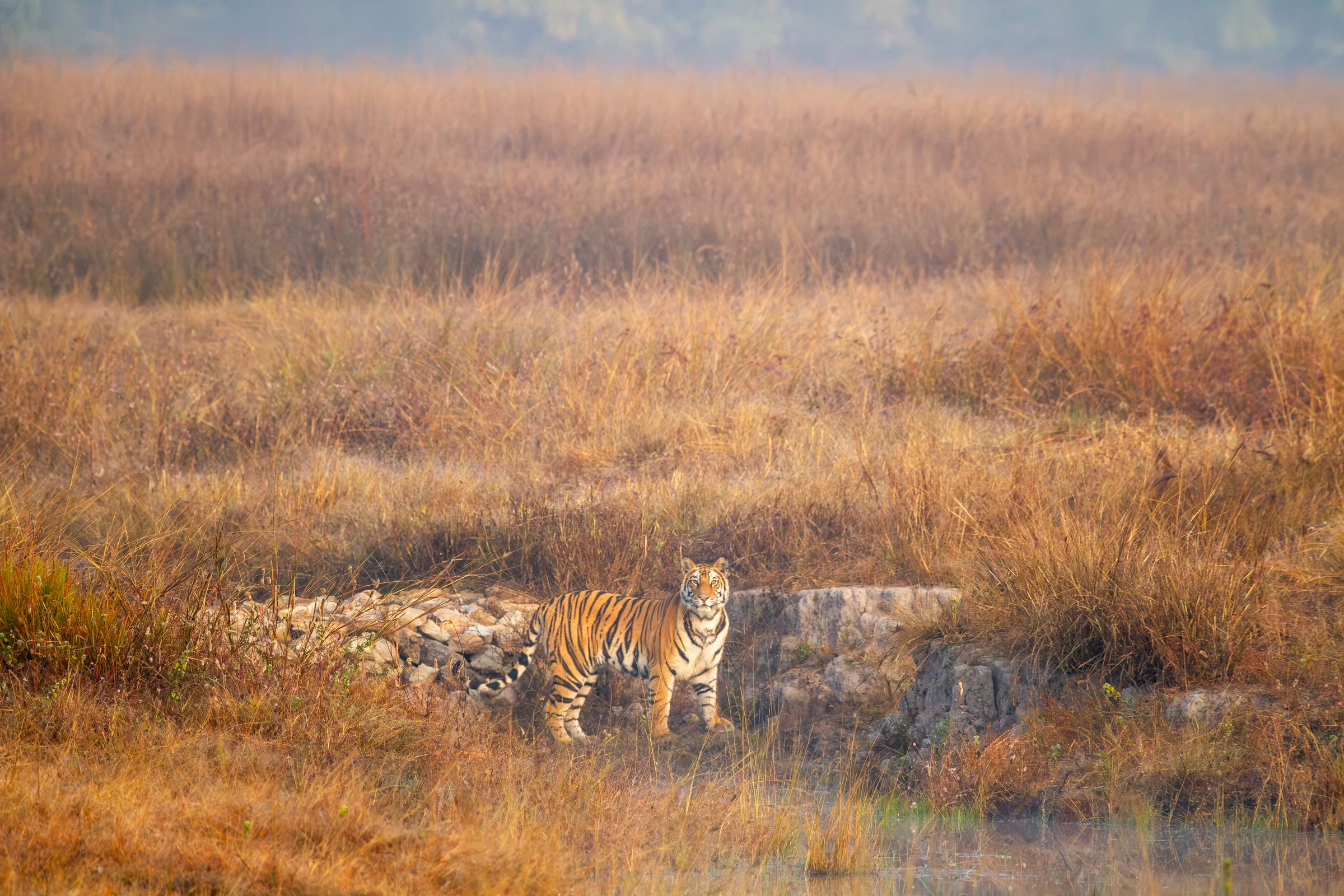
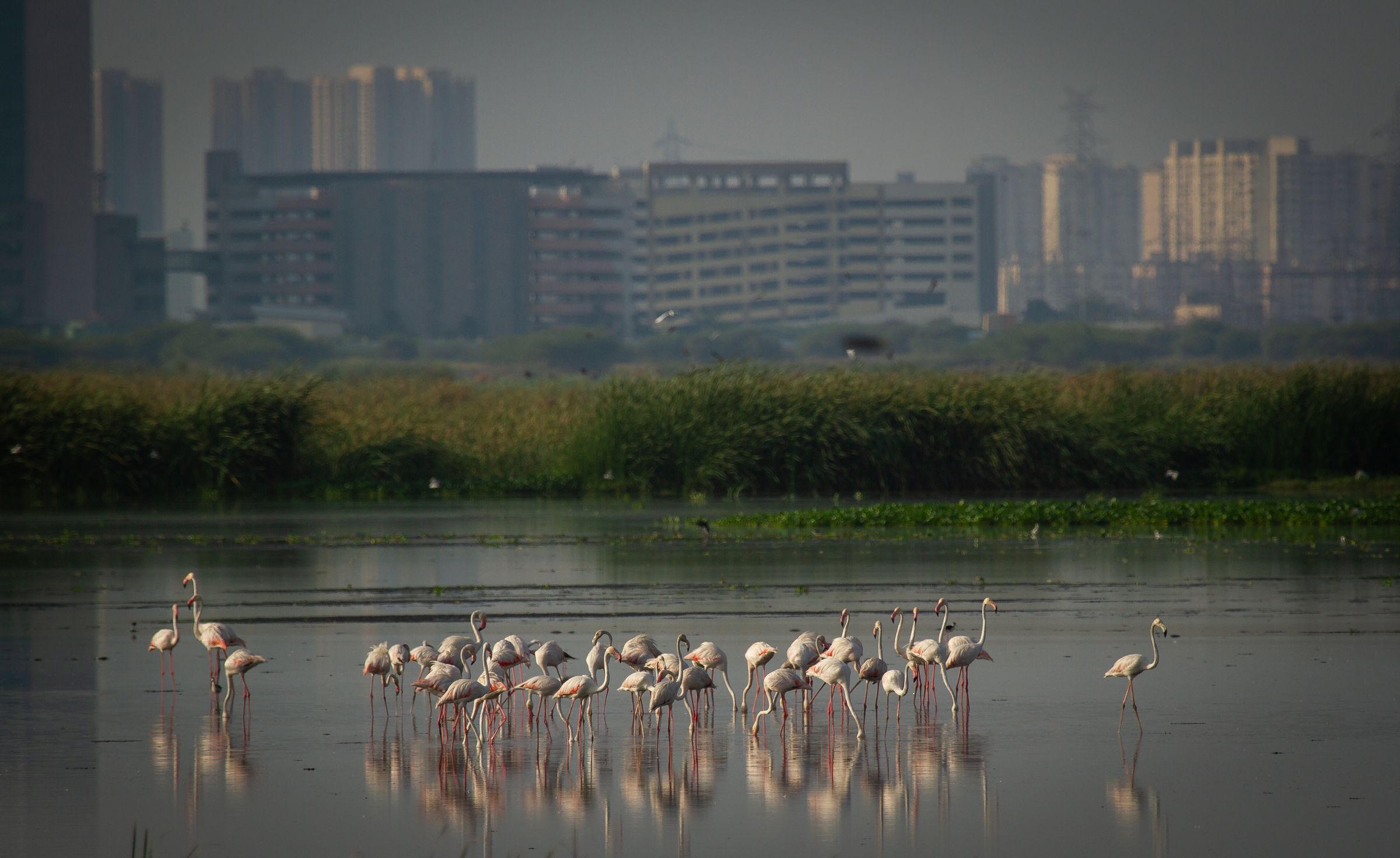
Forty minutes to cover fifty metres. Nothing rare had to happen.
We were forty kilometres from home. Two colleagues from work had come with me, both new to photography.
I remembered the idea, from a course the year before, that every animal has a circle of fear. You have to earn your way closer.
We crawled behind bushes for close to forty minutes to cover about fifty metres.
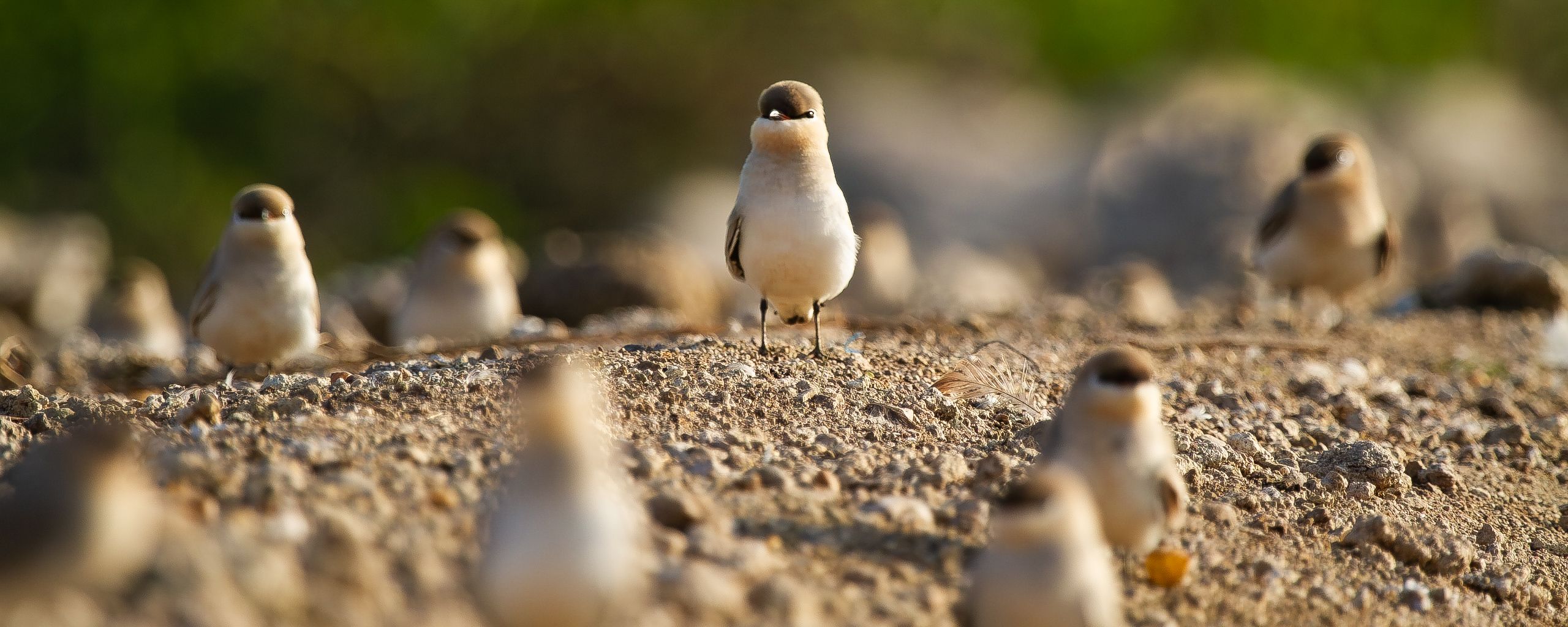
I got one frame of five or six stilts caught mid-jump.
One frame.
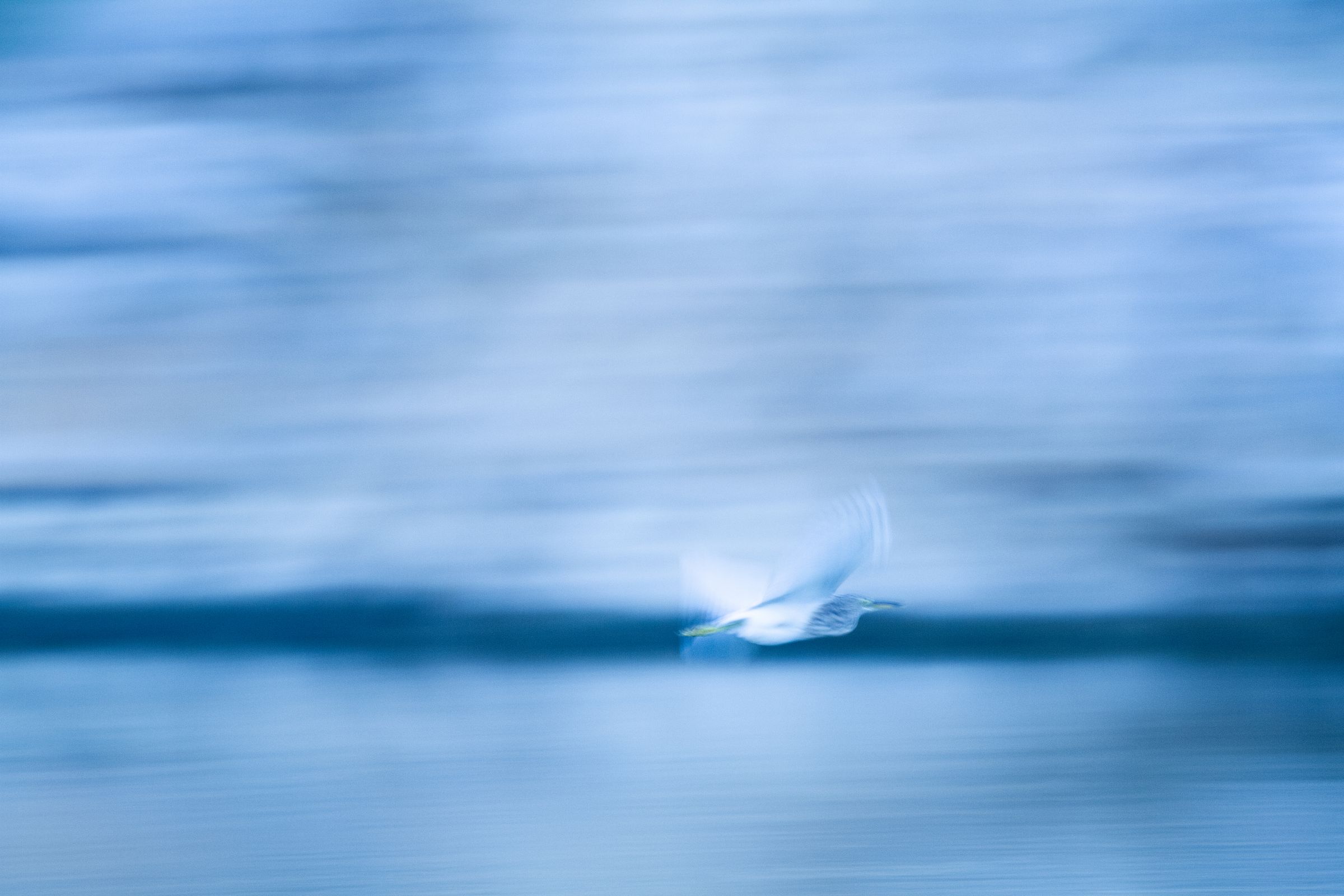
A few months on, a blurred egret in flight.
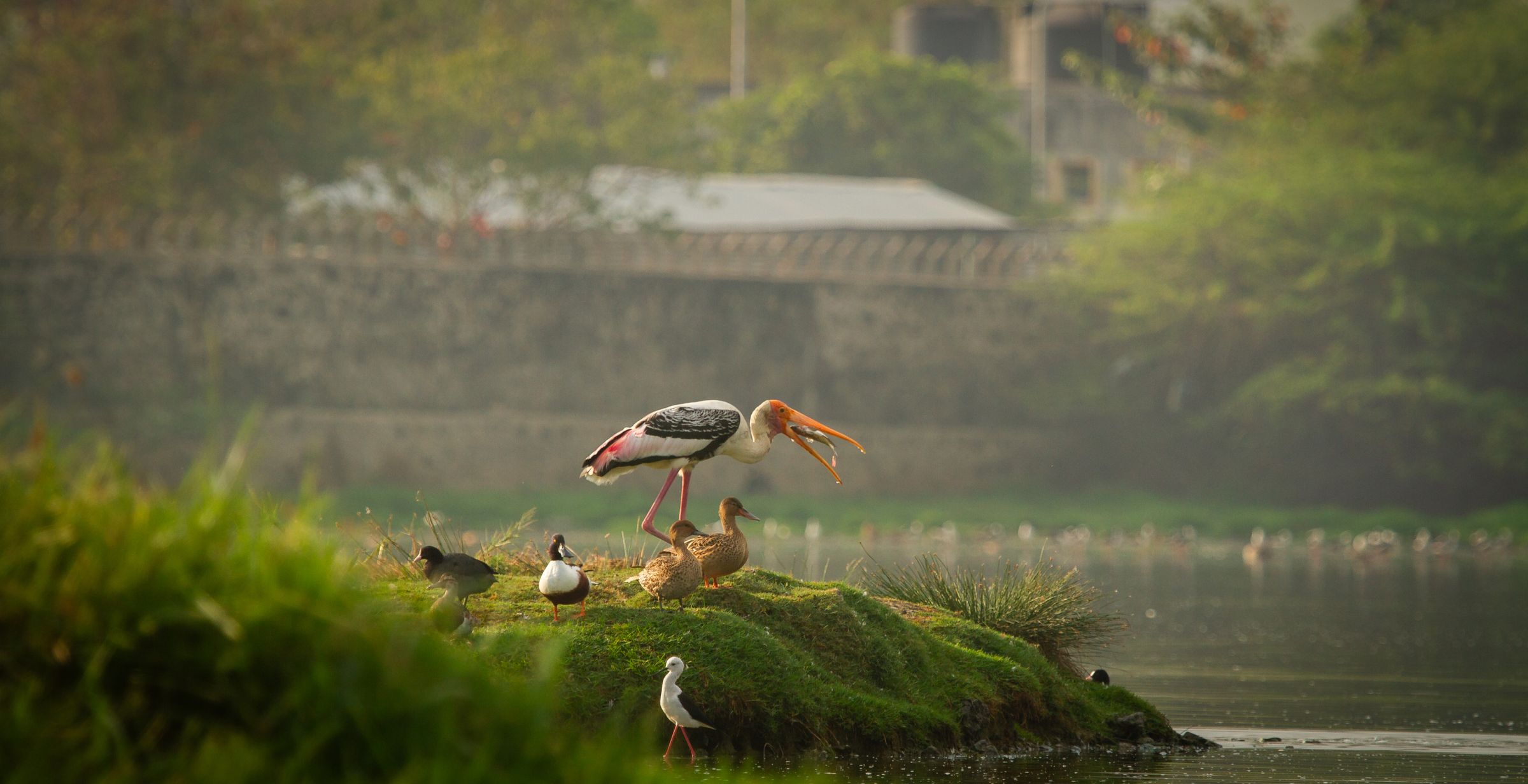
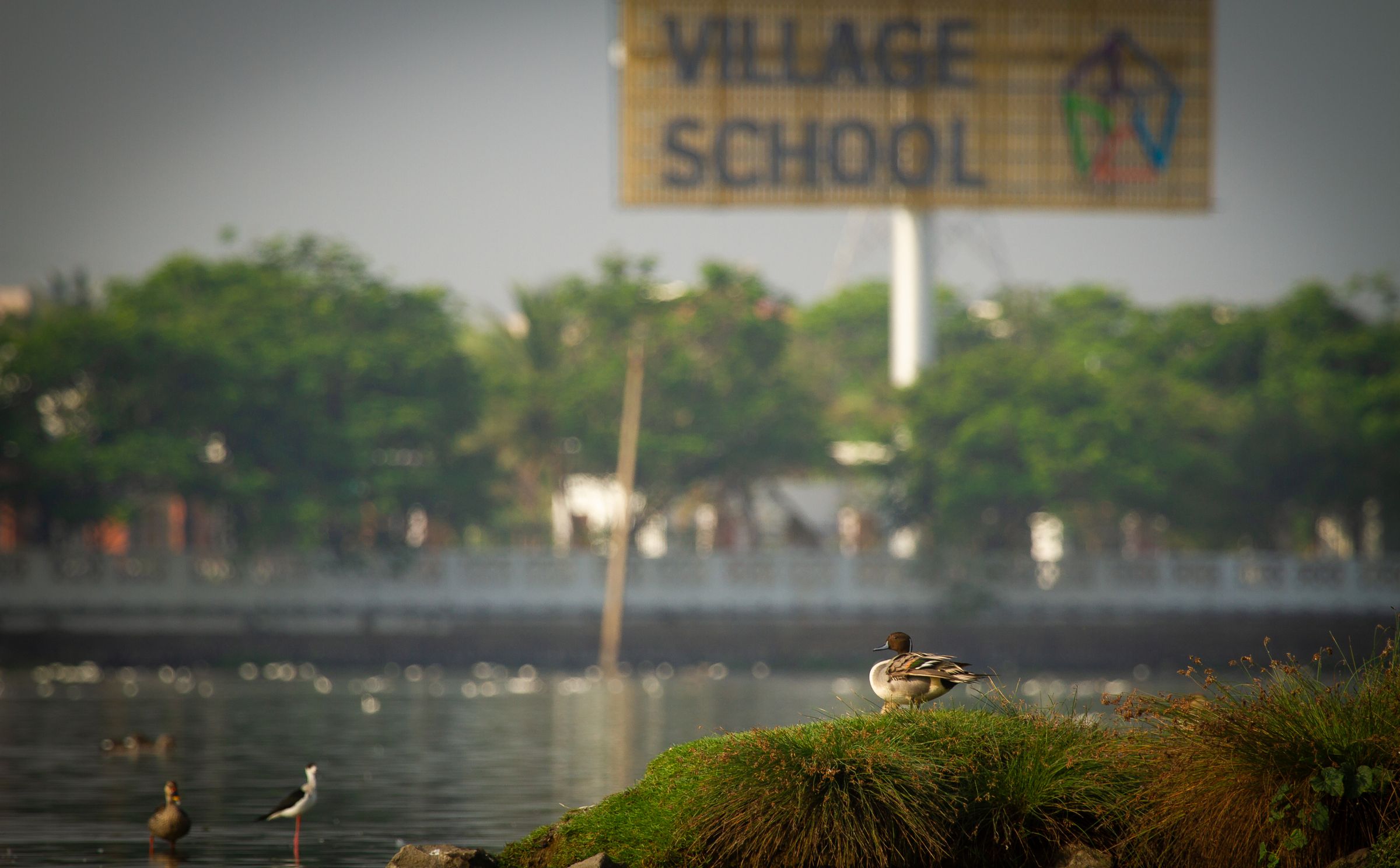
Nothing rare happened. It taught me more than the big trips did.
Mornings that never became a story. One at a time, the way they happened.
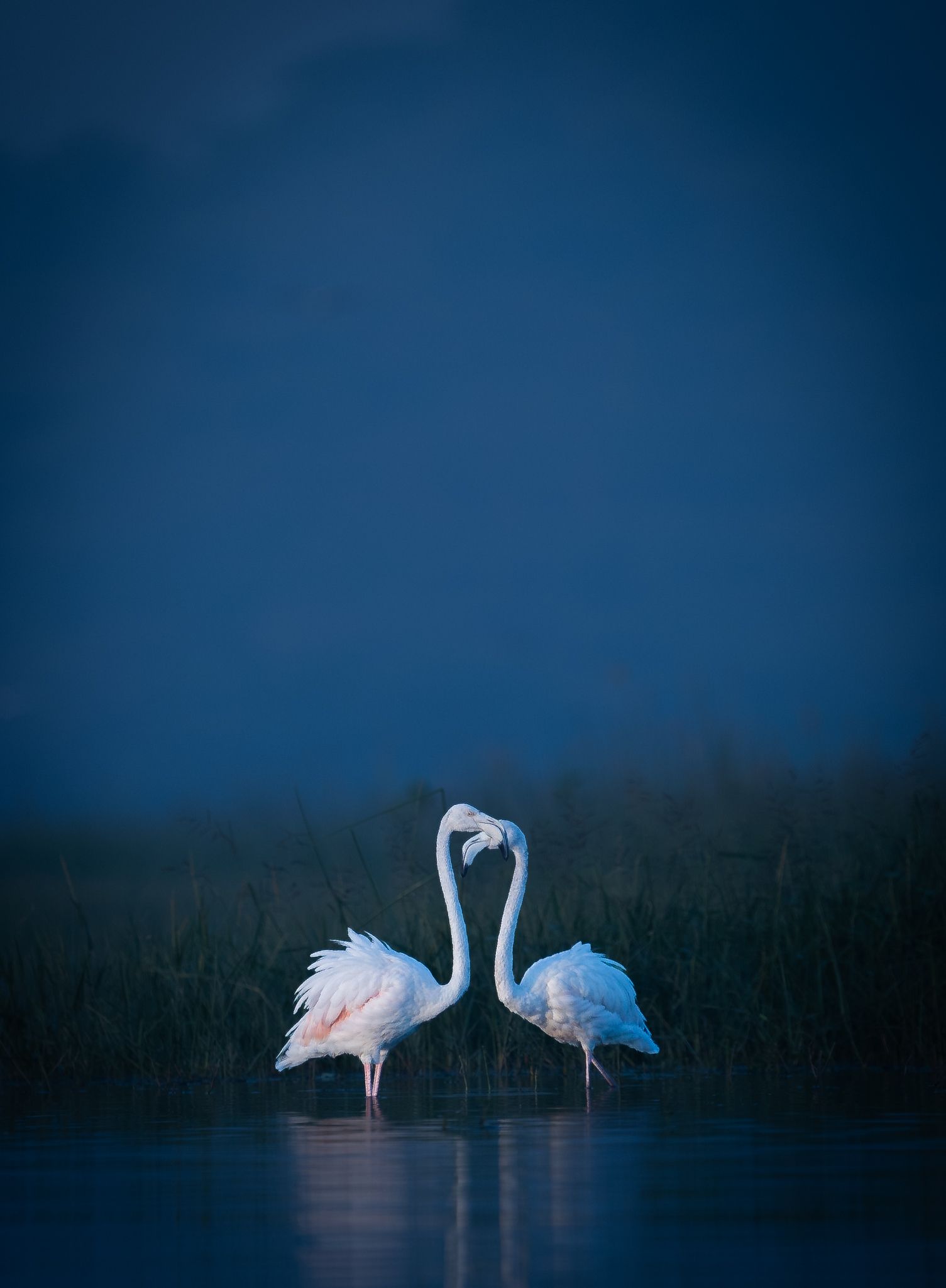
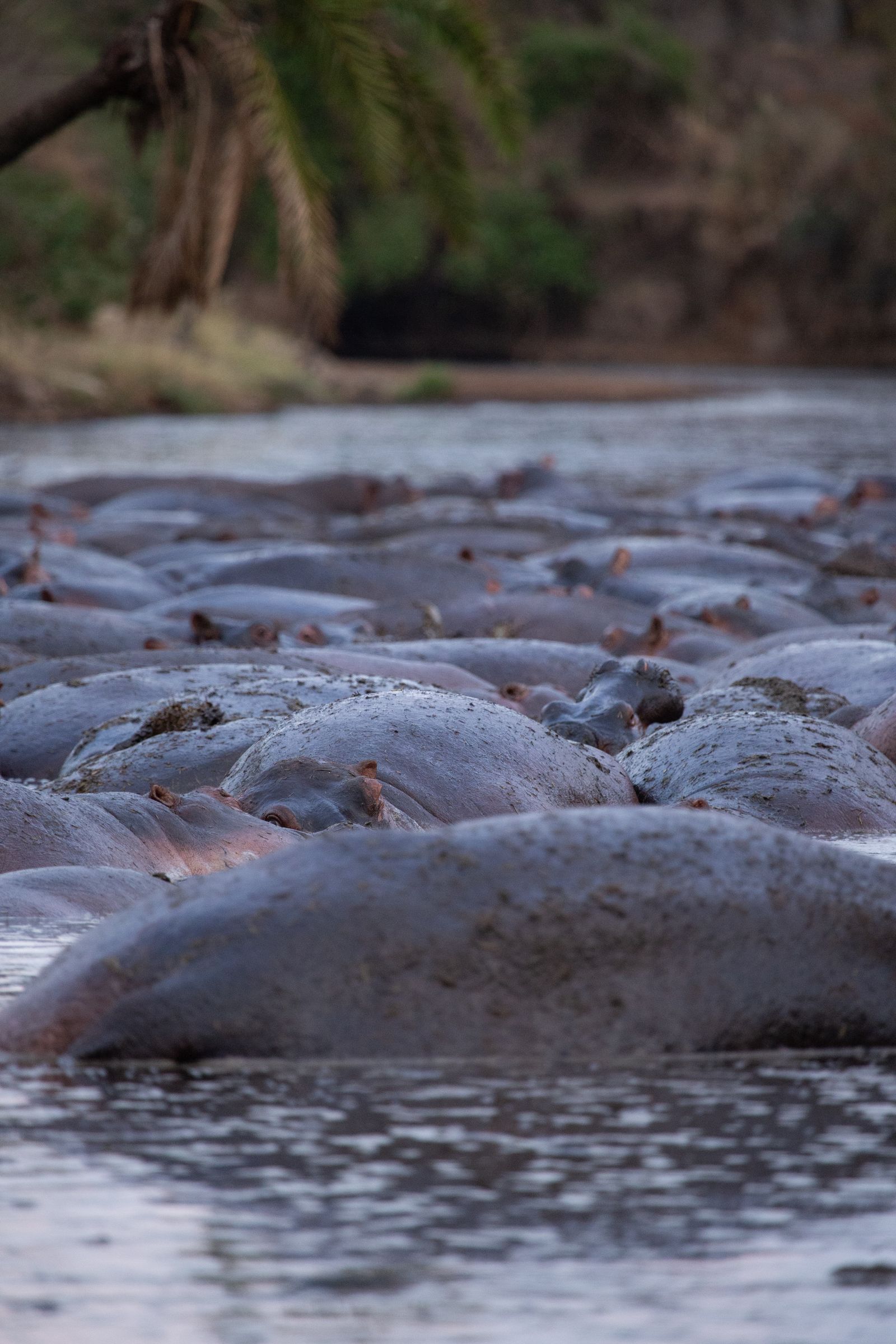
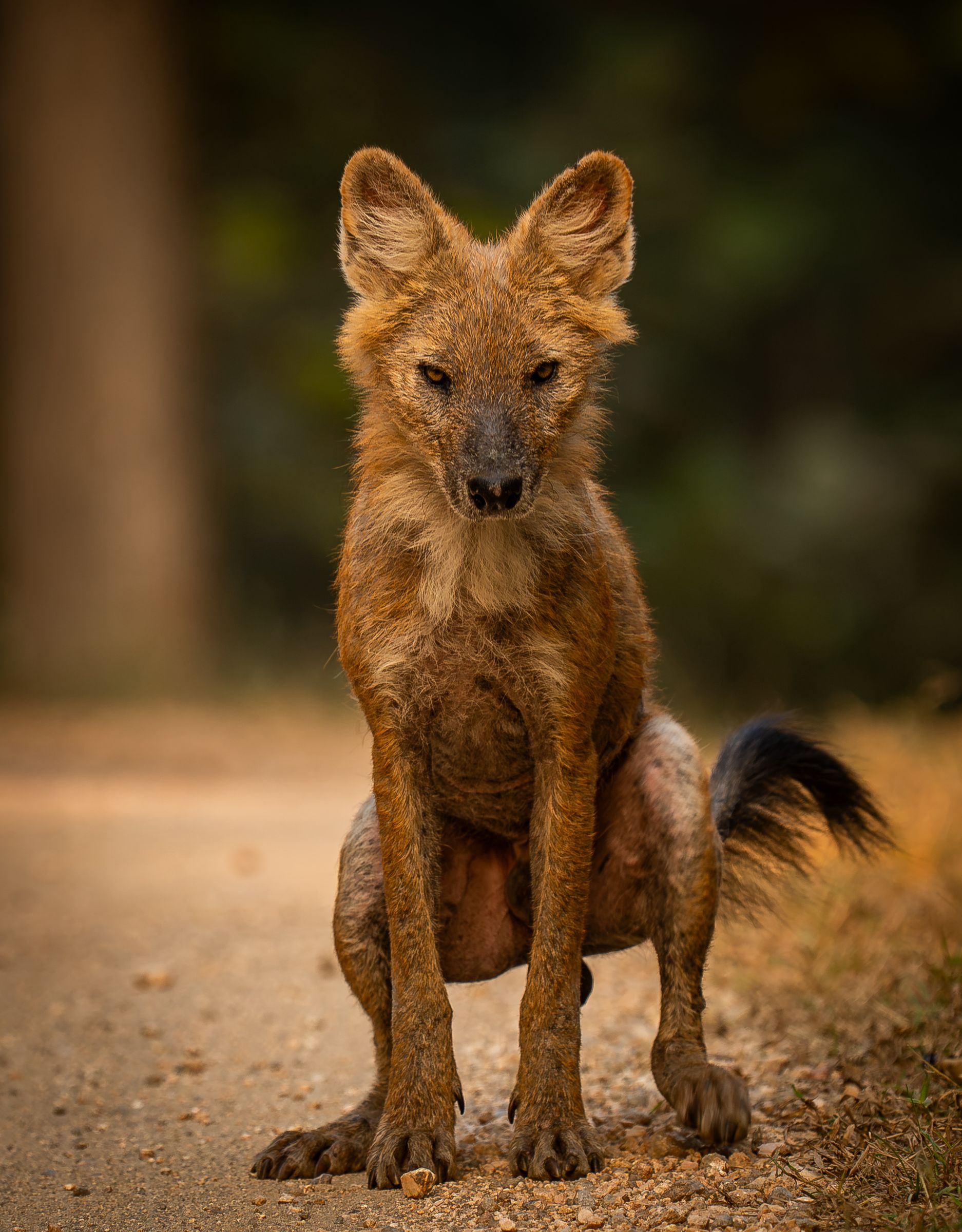
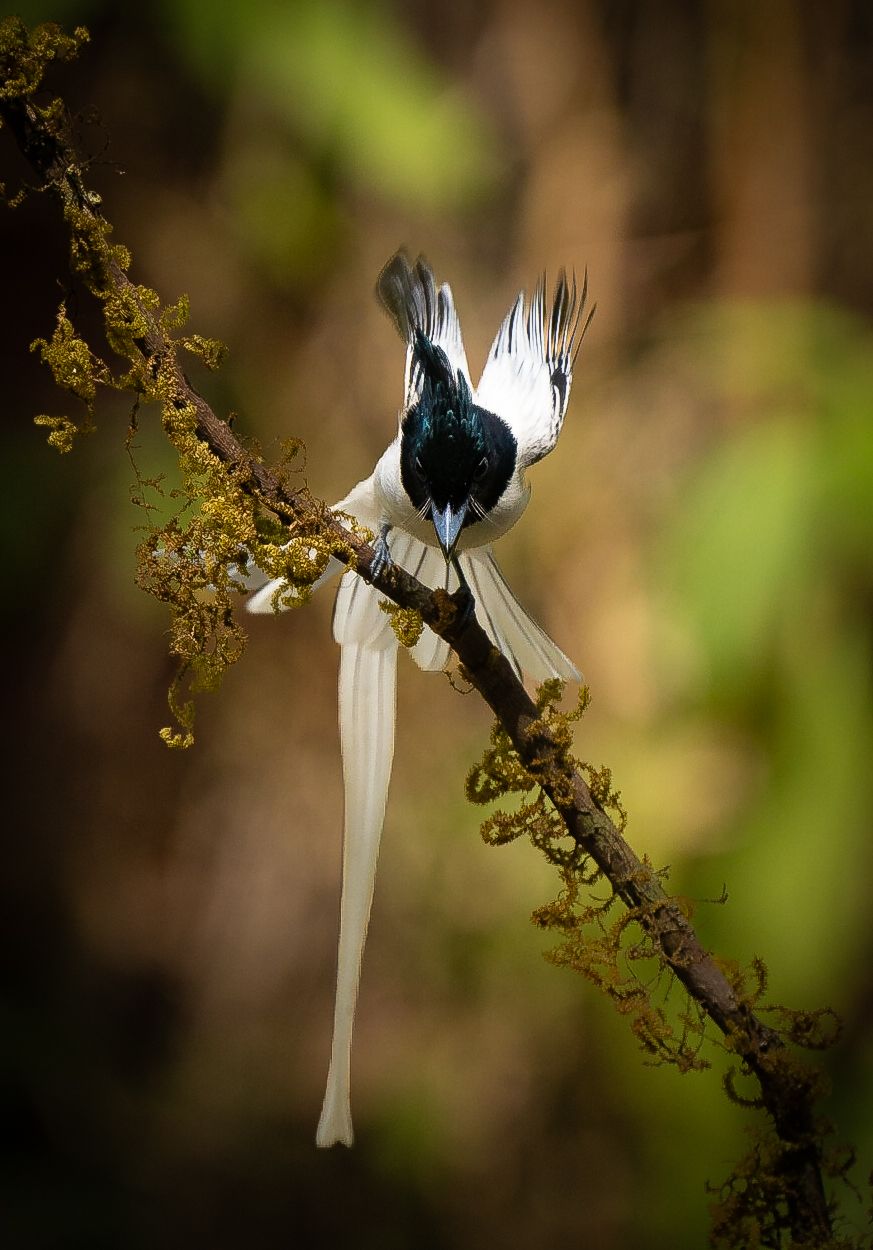
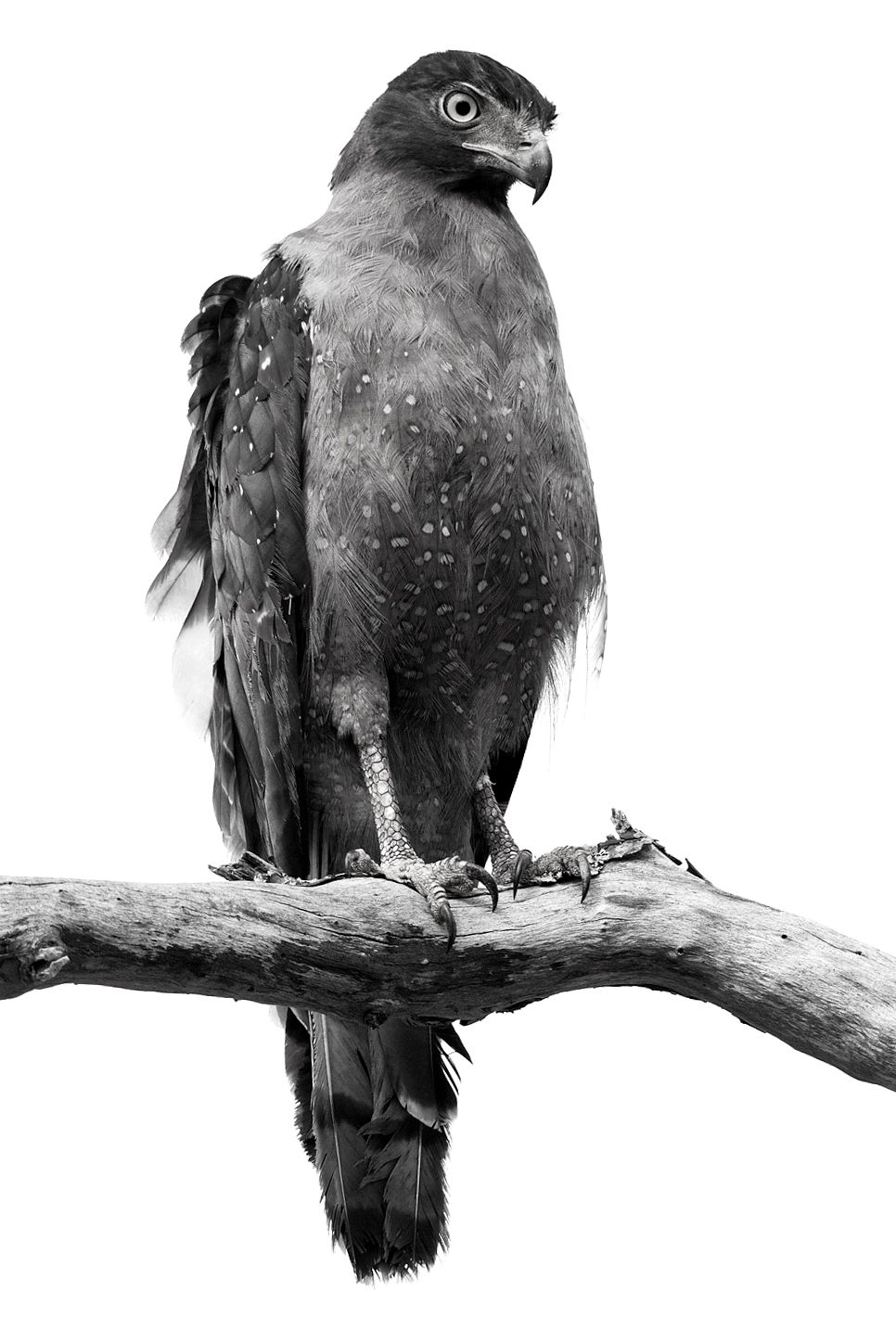
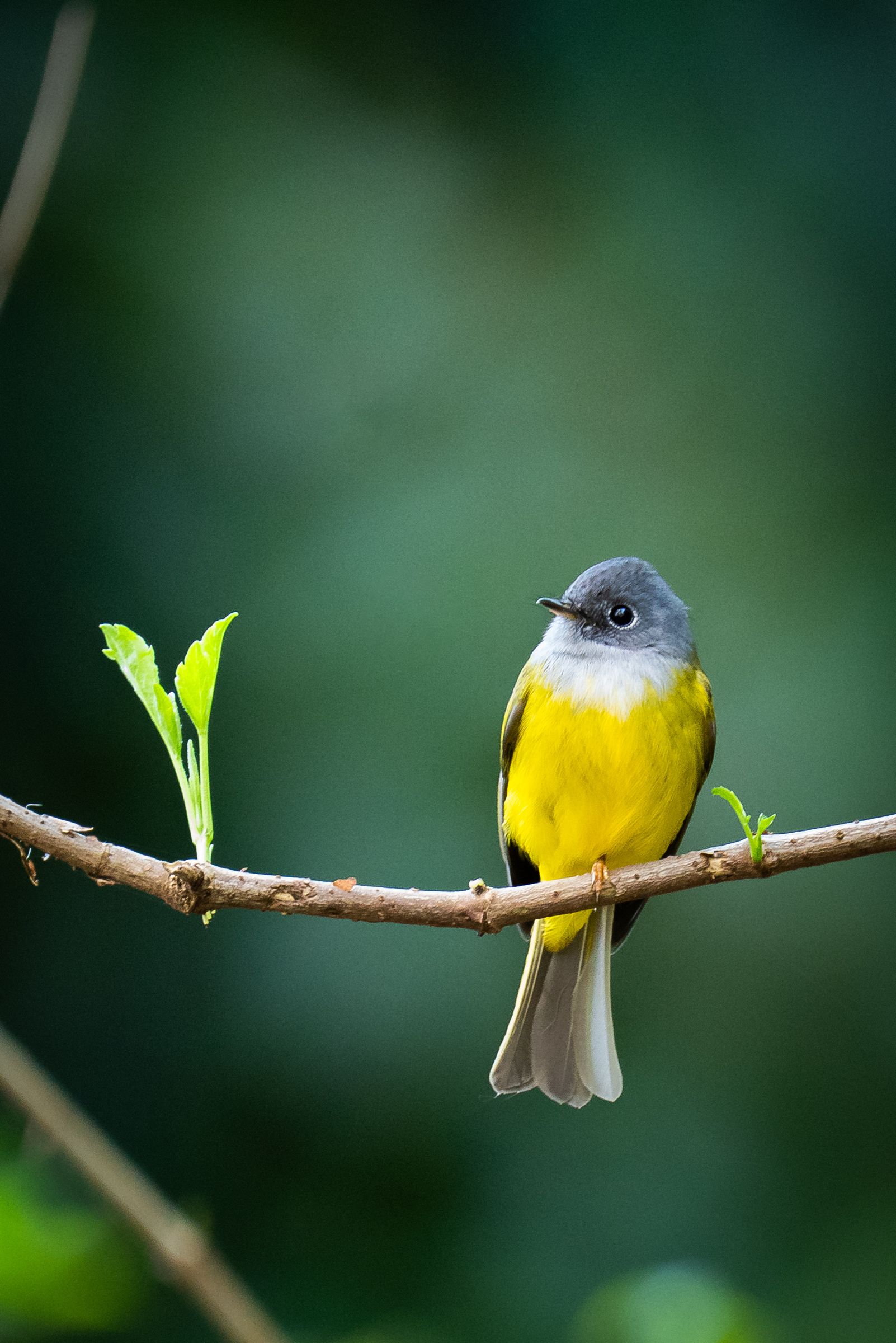
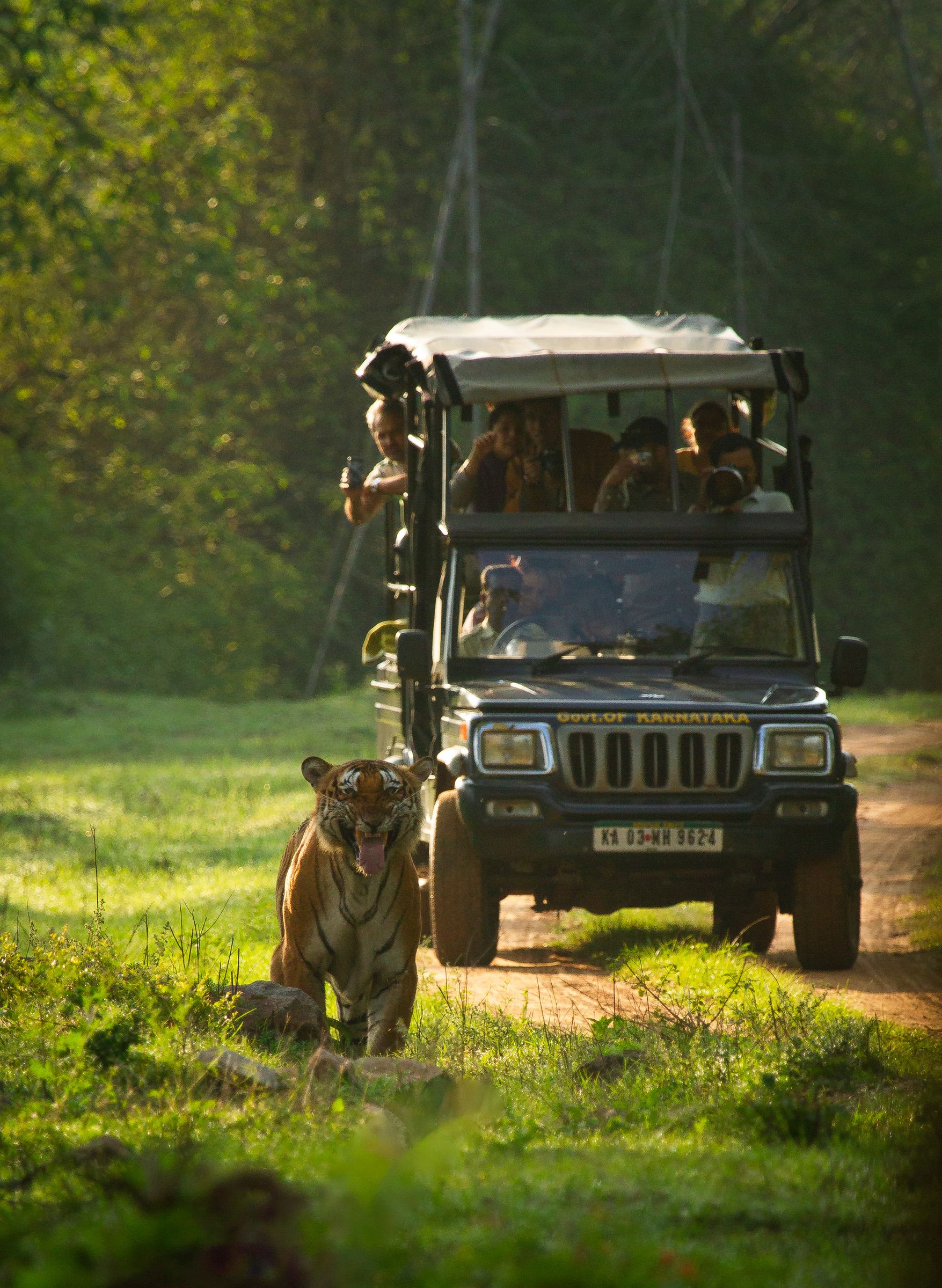
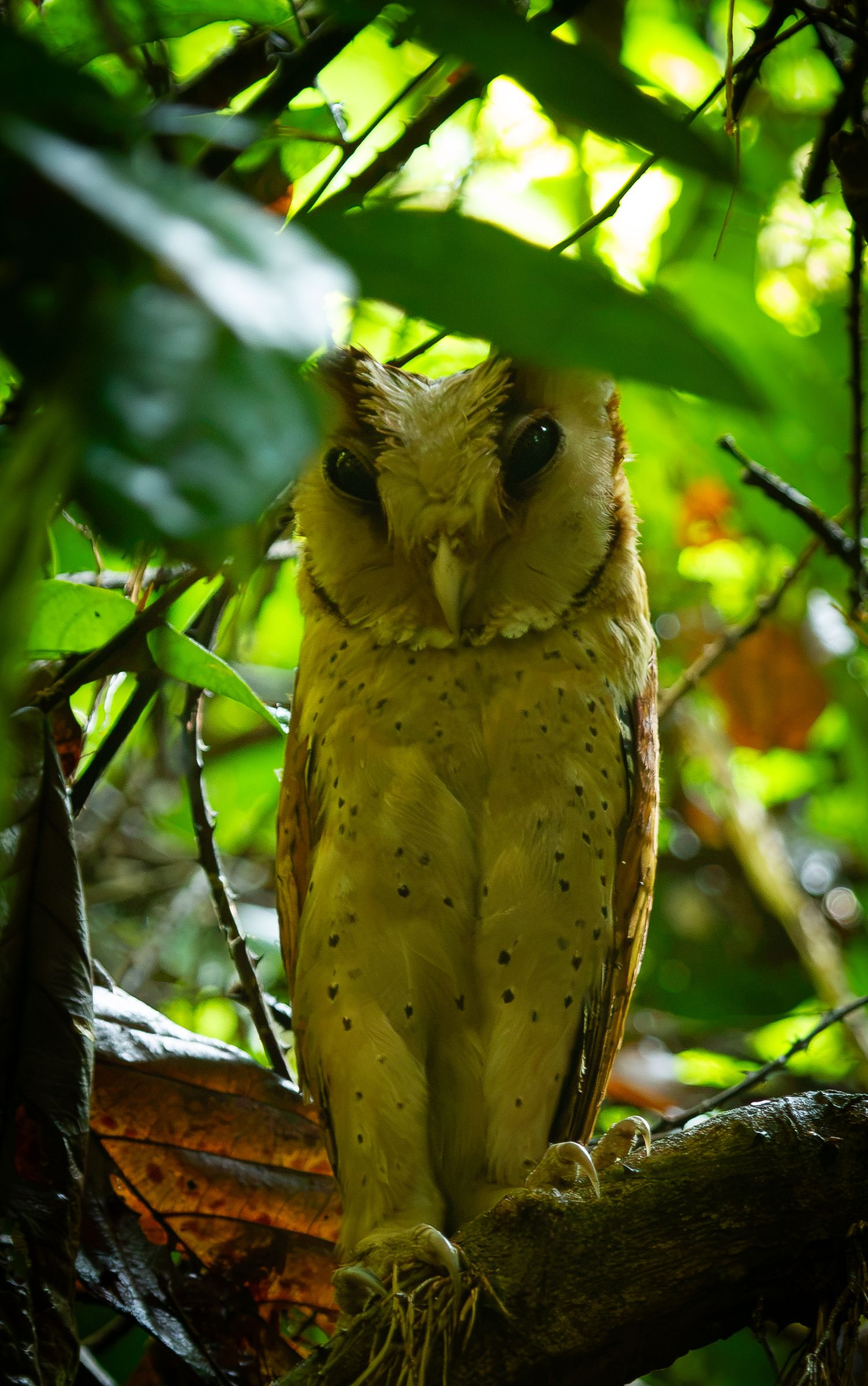
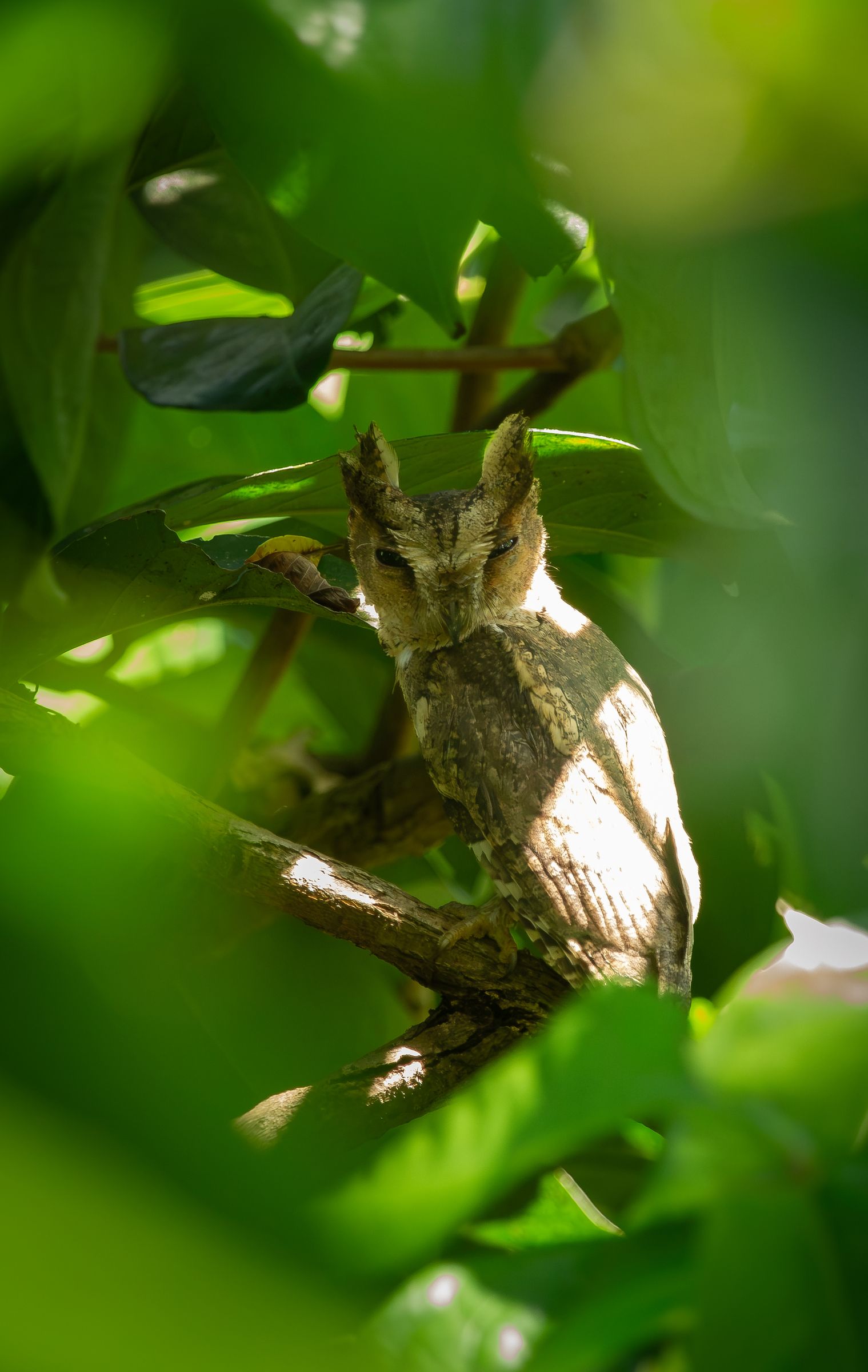
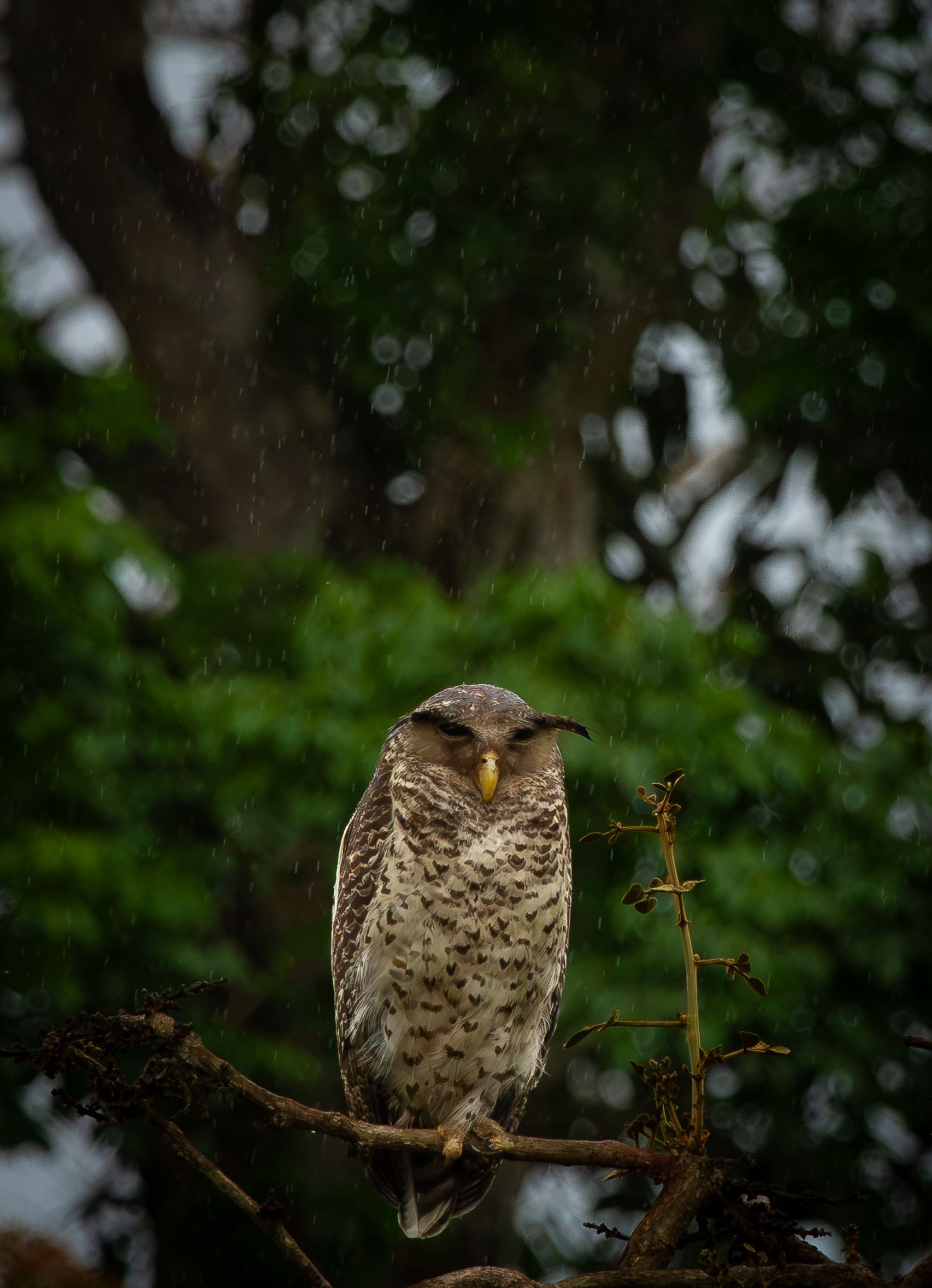
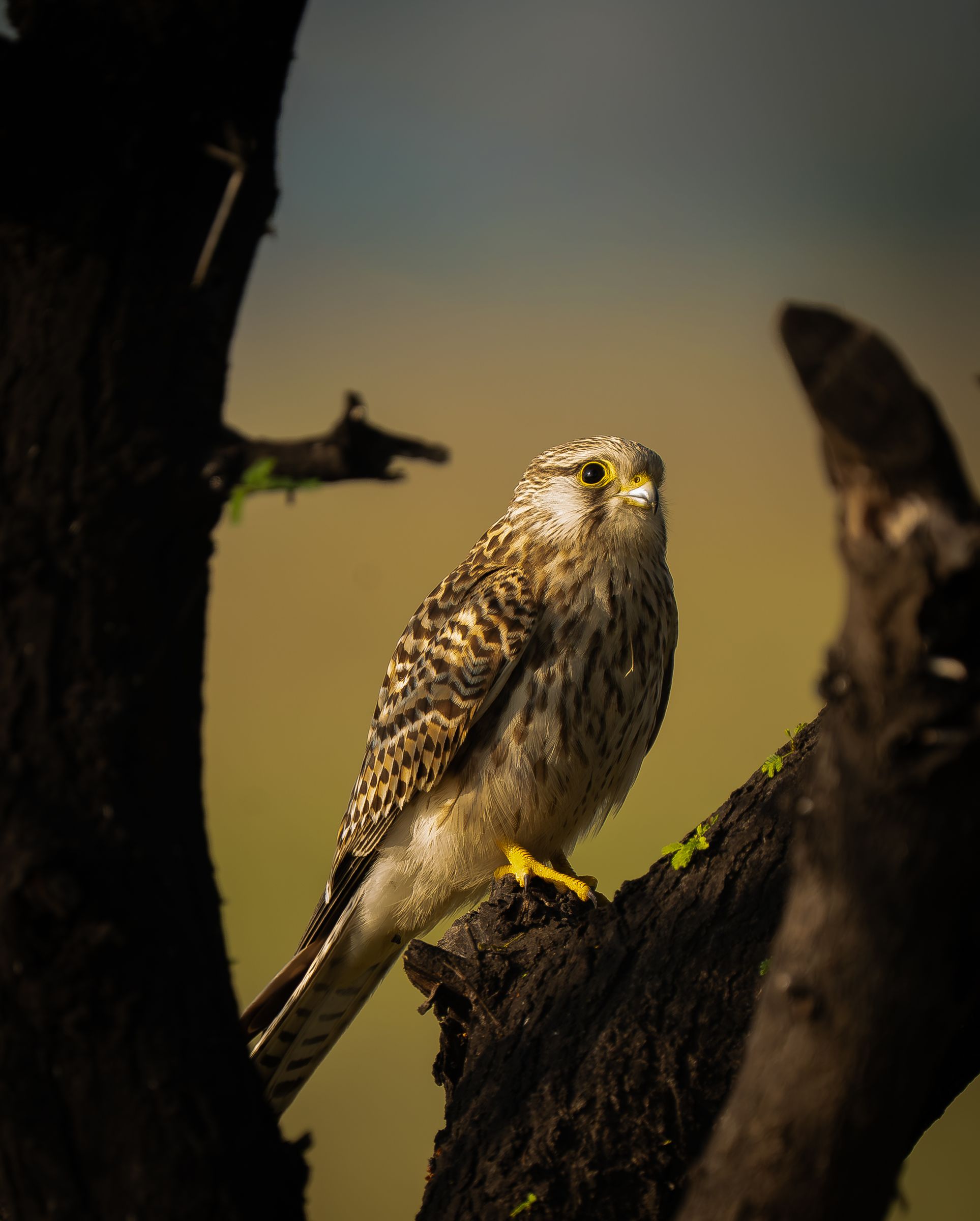
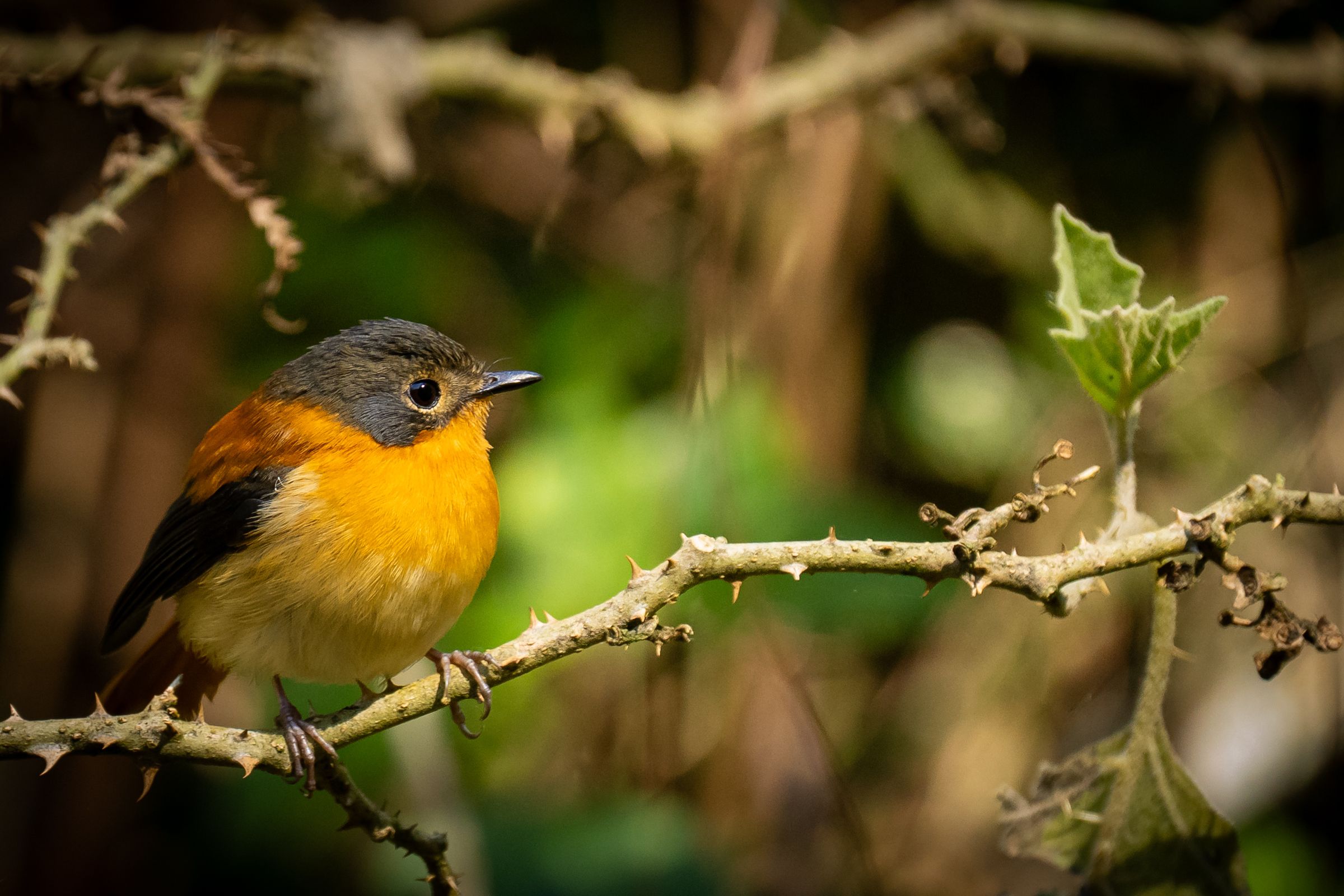
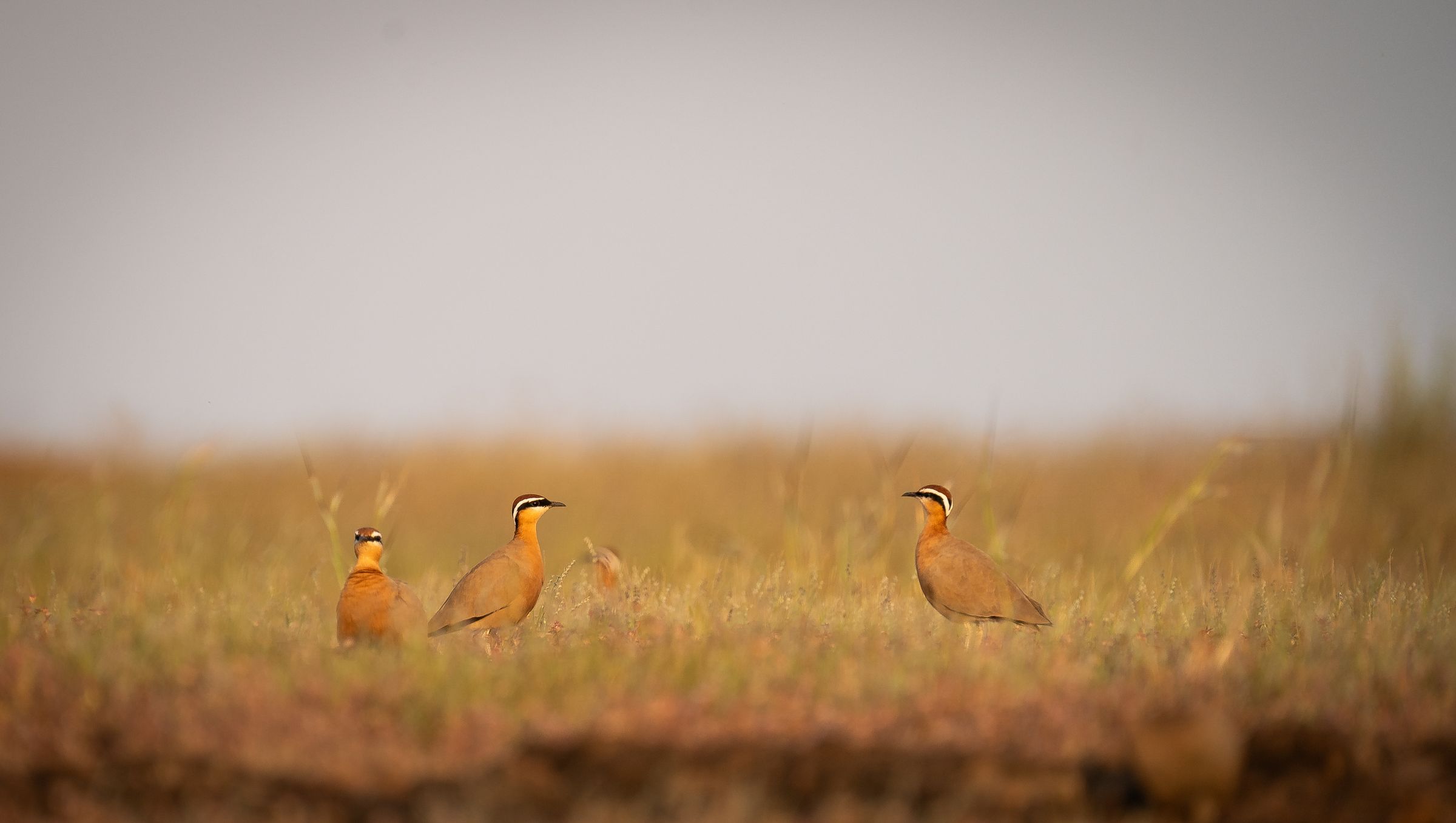
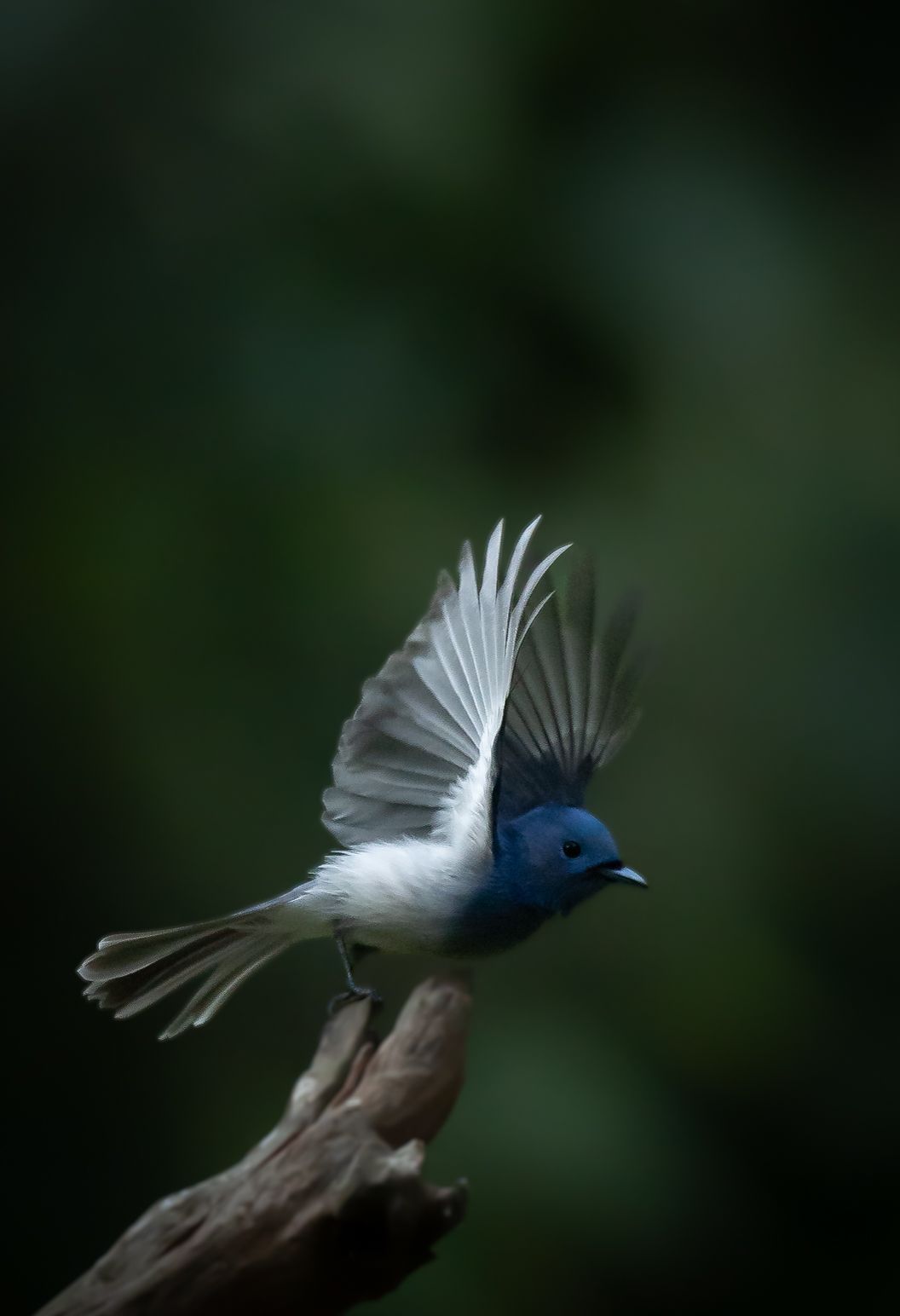
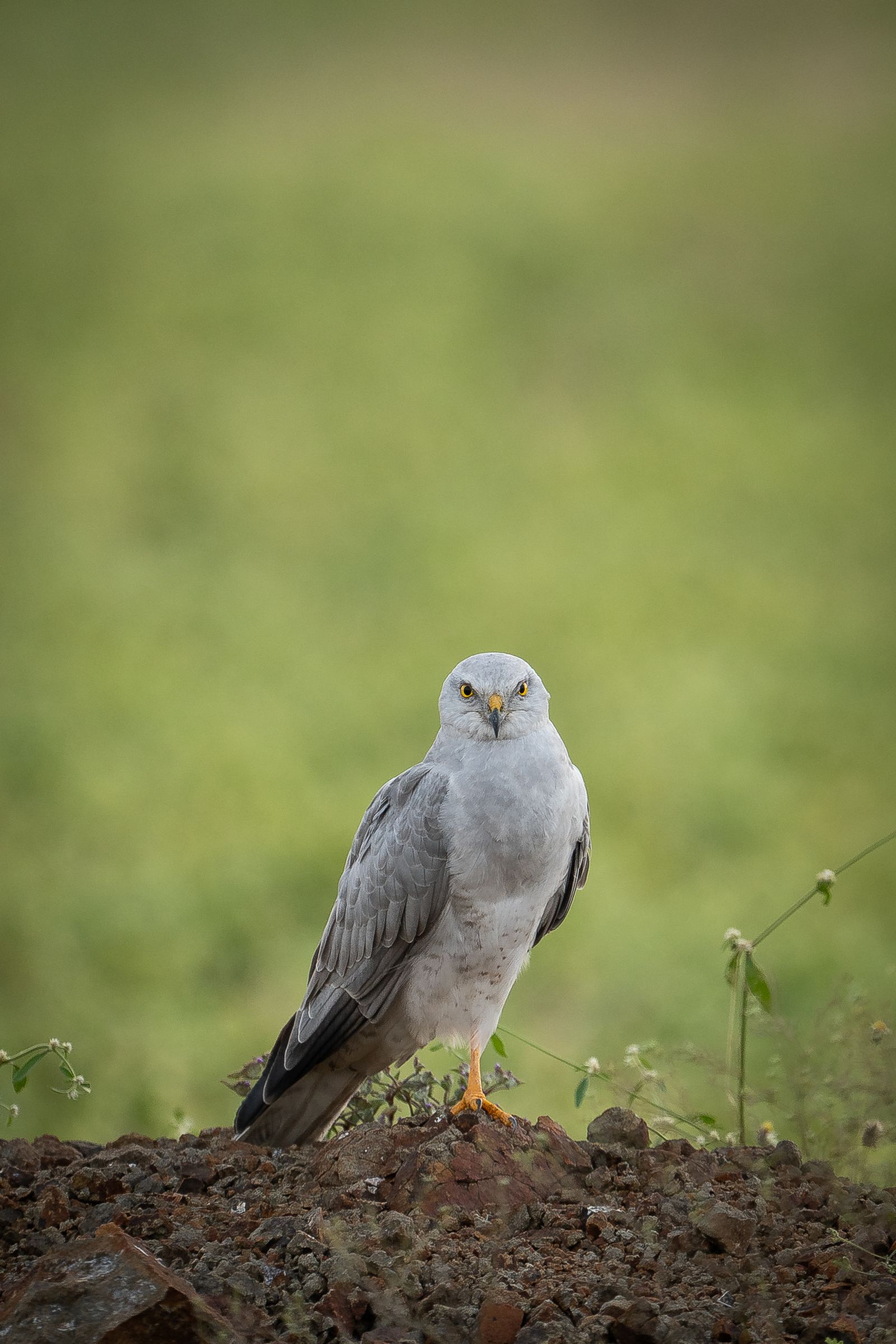
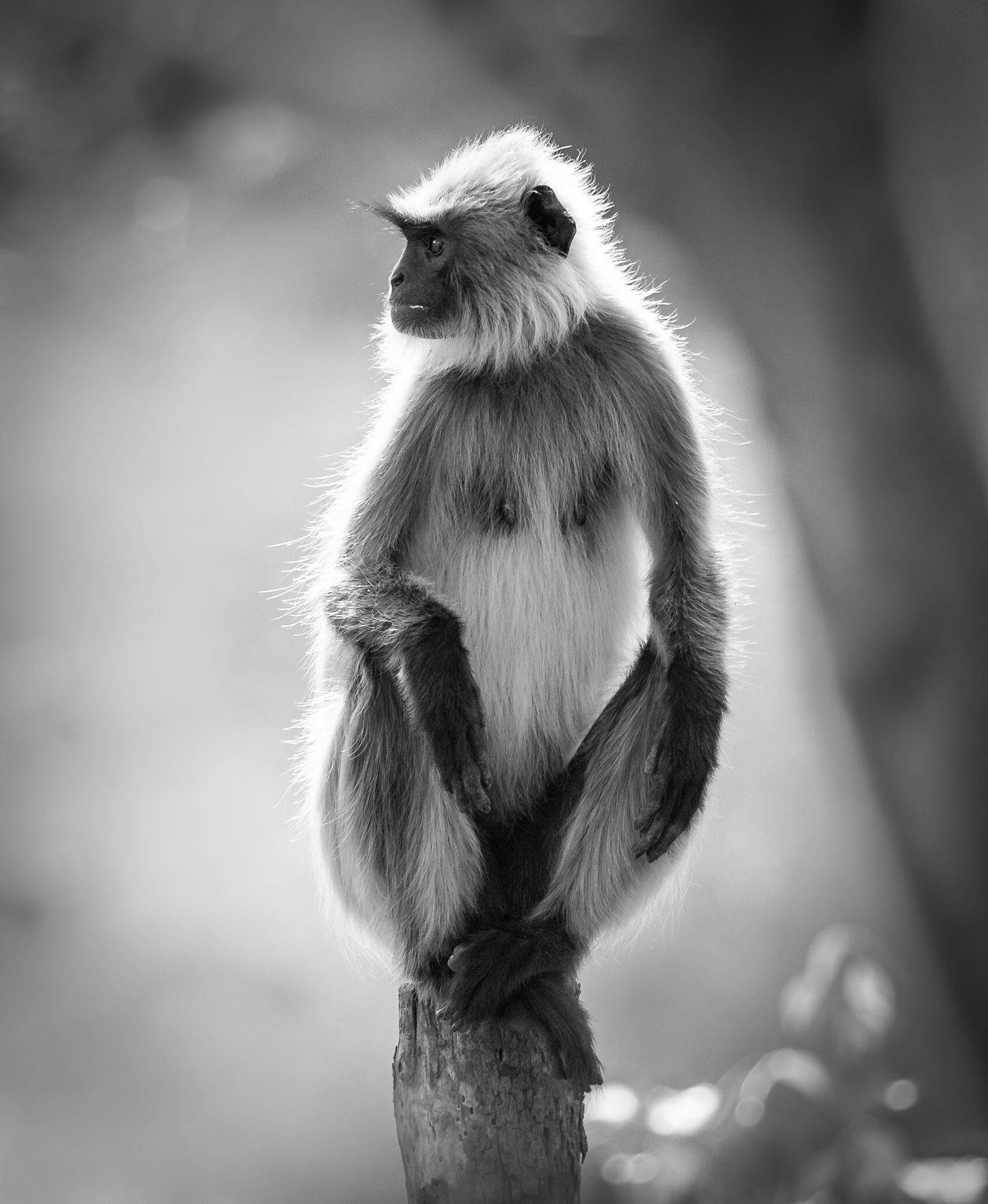
Pins mark the parks, not the exact spots. Choose a pin, or a place from the list, to see its photographs.
In 2011, in Parambikulam, I sat outside with friends, having a few beers, and heard a tiger growl in the night. We never saw it.
That was the beginning. I have been going back to forests and wetlands ever since: Bandipur, Nagarhole, Bandhavgarh, Corbett, Kanha, the plains of Tanzania, and the lakes near Chennai.
I do not go to collect sightings. Mostly I go to sit quietly somewhere beautiful and wait, and the photographs are what I bring home from the waiting.
If a photograph or a story stayed with you, or you would like to talk about a trip, I would be glad to hear from you.